Stalker 2: Cómo abrir la puerta cerrada Brain Scorcher
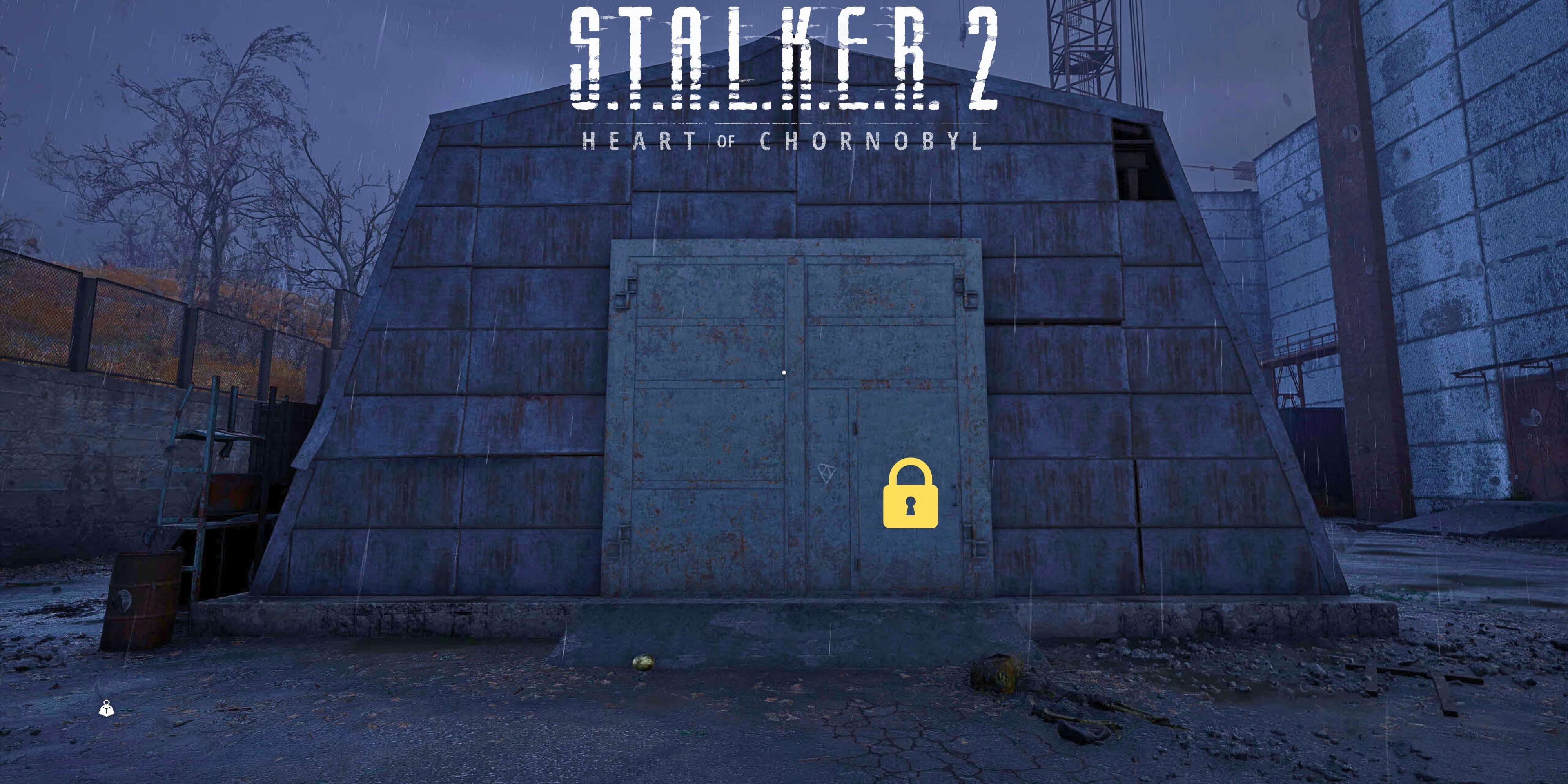
En Stalker 2: Heart of Chornobyl, el Brain Scorcher alberga un codiciado alijo a prueba de manipulaciones, pero acceder a él requiere un poco de ingenio. Esta ubicación icónica, que se encuentra en la región norte de Malachite, presenta una puerta de almacén cerrada con llave que no es la entrada prevista. Aquí se explica cómo evitarlo:
Accediendo al Brain Almacén Scorcher:
- Rodea el almacén hacia la izquierda y sube las escaleras naranjas hasta una pila de cajas.
- Usa las cajas para saltar sobre los contenedores a tu derecha y avanzar al siguiente conjunto.
- Salta la grúa a tu derecha y continúa hasta el otro extremo.
- Déjate caer sobre los contenedores inferiores y sigue el camino sinuoso hasta una abertura en la parte trasera del almacén.
Dentro del almacén:
¡Ten cuidado! Las minas de viaje protegen el camino hacia el alijo a prueba de manipulaciones. Desarmalos con cuidado antes de dirigirte al frente del almacén.
Saqueando el alijo y saliendo:
El alijo a prueba de manipulaciones, una gran caja fuerte ya abierta, te espera. Reúne la valiosa munición, botiquines y consumibles que contiene. Para salir, ubique un generador cerca de la parte trasera del almacén, entre algunas cajas. Actívalo para restaurar la energía. Regrese al panel de energía junto a la entrada principal y active el interruptor para desbloquear la puerta.
Últimos artículos
Juegos de tendencia










Noticias principales

](https://images.dyk8.com/uploads/18/17380116246797f3e8a8a39.jpg)






Últimos juegos