Timelie es un rompecabezas que retuerce el tiempo y llegará a dispositivos móviles en 2025, cortesía del editor Snapbreak.
Timelie, el aclamado rompecabezas independiente de Urnique Studios, llegará a los dispositivos móviles en 2025, gracias a Snapbreak. Este éxito para PC, conocido por su mecánica única de rebobinado en el tiempo, ofrece una combinación convincente de resolución de acertijos y narrativa.
Los jugadores controlan a una niña y su gato mientras navegan por un misterioso mundo de ciencia ficción, evadiendo a los enemigos rebobinando estratégicamente el tiempo para anticipar sus movimientos. Las imágenes minimalistas del juego se trasladan perfectamente al móvil, complementando su música evocadora y su historia sincera. El diseño y la atmósfera de Timelie ya han recibido importantes elogios.
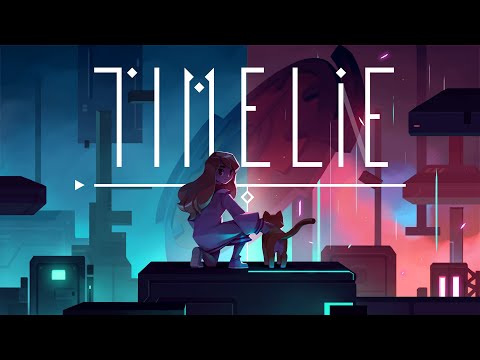
Una experiencia de rompecabezas refrescante
Es posible que Timelie no atraiga a los fanáticos de los juegos de alta acción. Sin embargo, su mecánica de prueba y error, que recuerda a Hitman GO y Deus Ex GO, premia el pensamiento estratégico y la experimentación. El juego se centra en el diseño inteligente de rompecabezas, no en la acción frenética.
La tendencia creciente de la transición de los juegos de PC independientes a plataformas móviles sugiere una confianza cada vez mayor en los diversos gustos de la audiencia de juegos móviles.
El lanzamiento móvil de Timelie está programado para 2025. Mientras tanto, consulte nuestra reseña del rompecabezas con temática felina Mister Antonio para disfrutar de una experiencia felina similar.
Últimos artículos
Juegos de tendencia










Noticias principales

](https://images.dyk8.com/uploads/18/17380116246797f3e8a8a39.jpg)



Últimos juegos