Дом Новости Супермаркет Вместе: как построить самообследование

Супермаркет Вместе: как построить самообследование

Автор : Carter Обновлять : Feb 01,2025

Супермаркет вместе: глубокое погружение в самостоятельные терминалы

В супермаркете вместе, управление шумным магазином в одиночку может быть сложным. От обязанностей кассира до пополнения и заказов, жонглирование всем может быстро стать ошеломляющим, особенно в условиях более высоких сложности. В то время как командная работа заставляет мечту работать, сольные игроки часто борются в конце игры, даже с наемными сотрудниками. Вот где терминал самостоятельного контроля входит в качестве ценного актива.

Как построить терминал самостоятельного представления

Создание самообслуживания в супермаркете вместе проста. Получите доступ к меню Builder (обычно нажав вкладку) и найдите опцию самообследования. Строительство стоит 2500 долларов США, управляемая сумма, учитывая различные возможности игры.
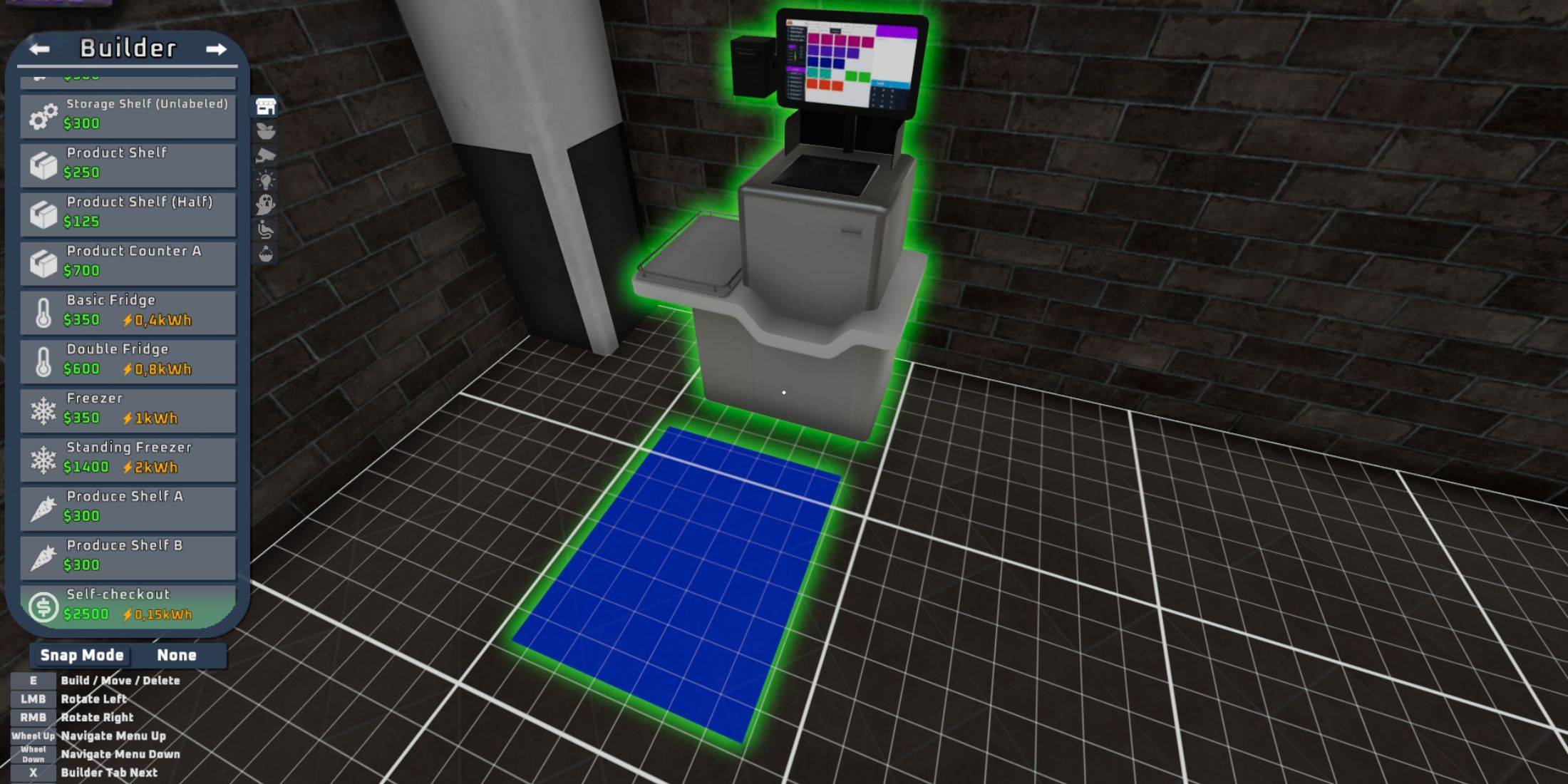
Self-Checkout Terminal in Builder Menu

стоит ли самооценка инвестиций?

Терминалы самостоятельно функционируют, как и ожидалось: они облегчают давление на укомплектованные счетчики кассы, отвлекая клиентов в пиковое время. Это уменьшает заторы и сводит к минимуму нетерпение клиентов, тем самым снижая риск кражи в магазине.

Однако стратегические инвестиции являются ключевыми. В начале игры приоритет новым продуктам из доски франшизы и полки чулок может быть более полезным, чем сразу же приобретать самообслуживание. Точно так же, если играть с друзьями, назначение нескольких счетчиков оформления заказа-товарищам по команде, является более эффективной стратегией ранней игры. Наем сотрудников и назначение их на счетчики заказа - еще один жизнеспособный вариант.

Пока самостоятельно ослабляет управление клиентами, они вводят компромисс: повышенный риск кражи в магазинах. Больше самоотверженных терминалов коррелируют с более высокой вероятностью грабежей. Следовательно, обеспечение безопасности магазина имеет решающее значение при реализации самостоятельных проверок для защиты прибыли.
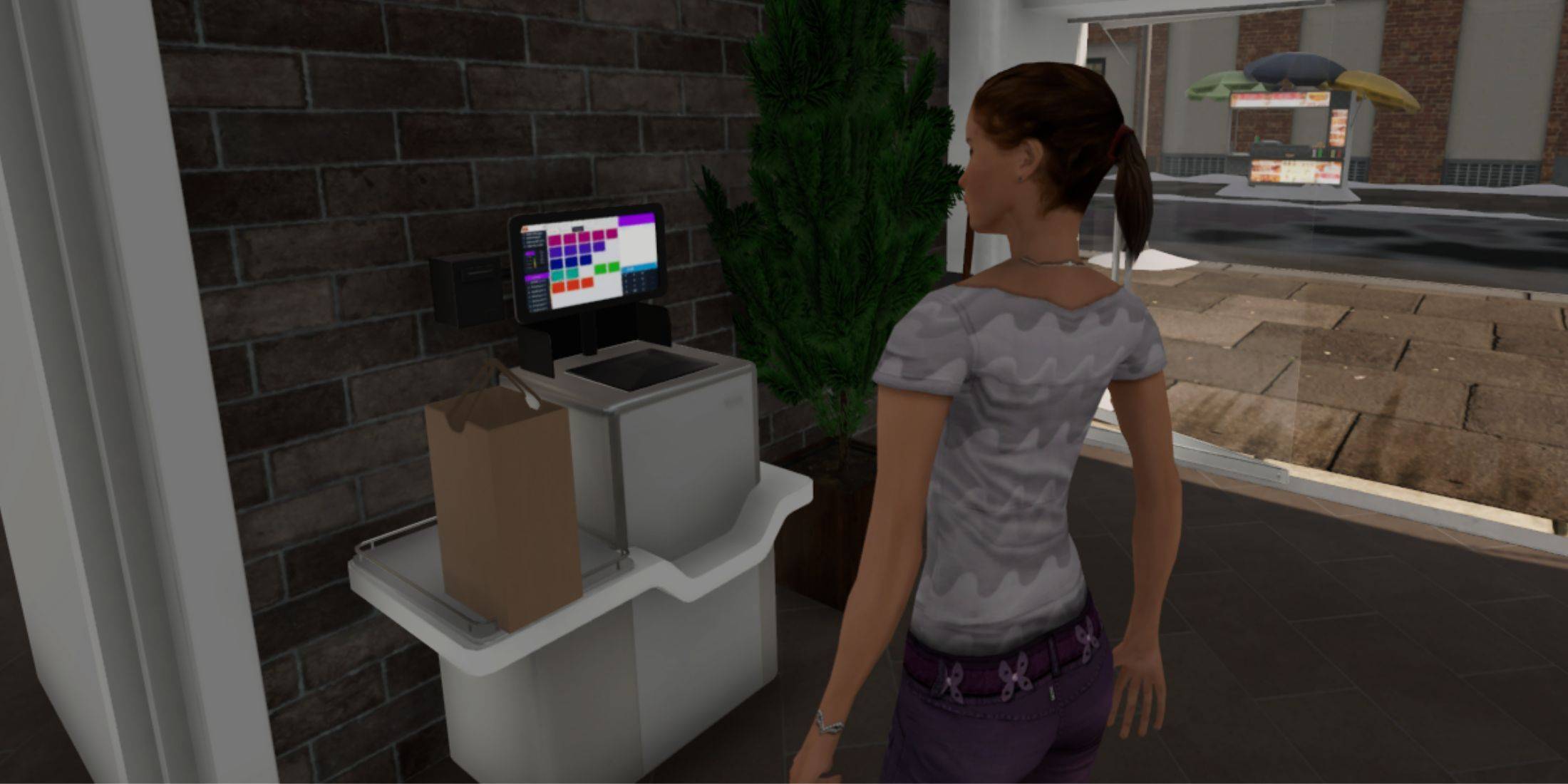
Self-Checkout in Action

Сценарии поздней игры, особенно на более высоких уровнях сложности, представляют уникальные проблемы: увеличение объема клиентов, больший мусор и большая вероятность кражи. Самопроверка терминалов обеспечивают значительное преимущество в этих ситуациях, помогая управлять повышенной рабочей нагрузкой.
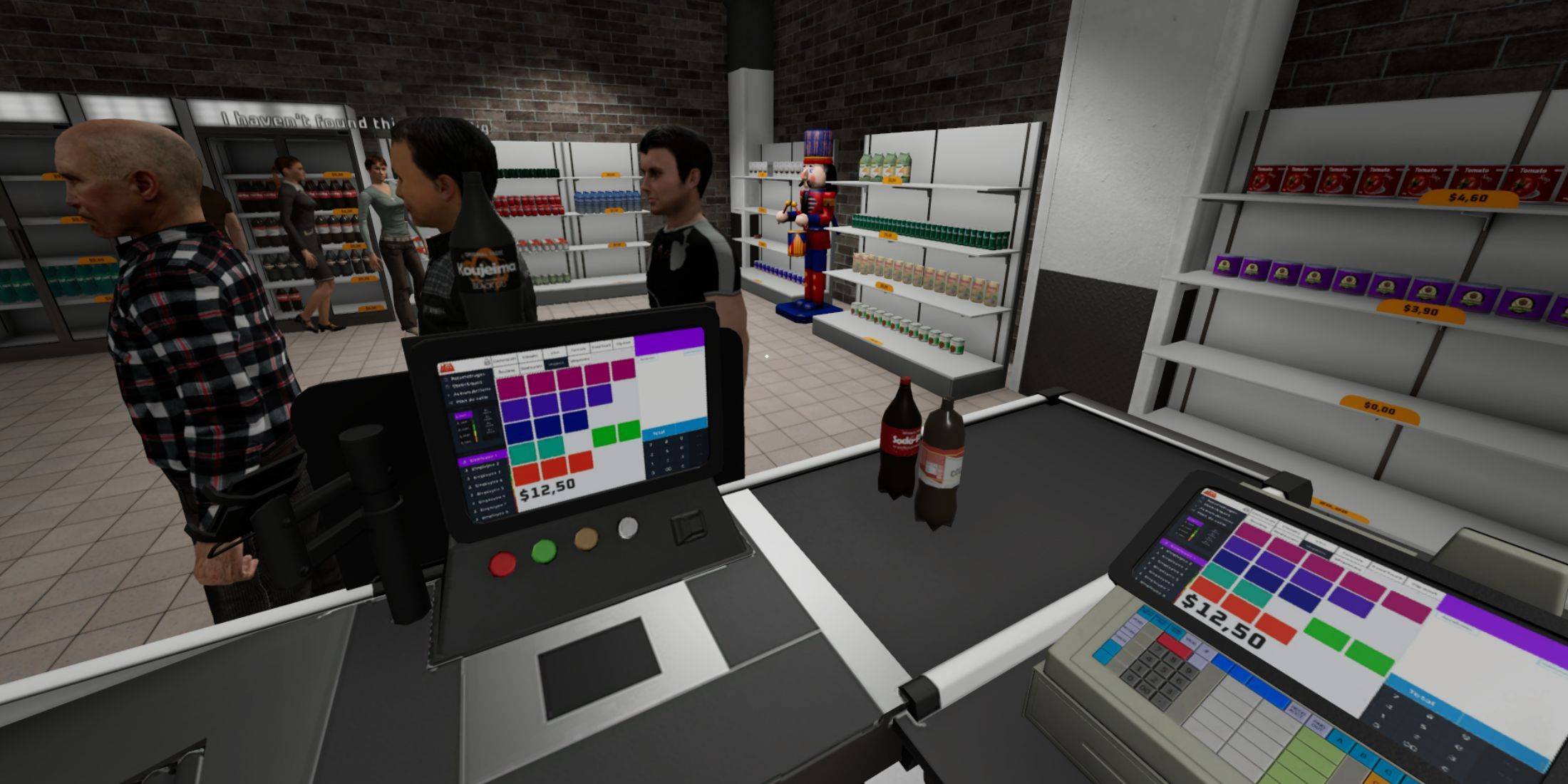
Busy Supermarket Scene

В заключение, терминал самостоятельного контроля является ценным инструментом в супермаркете вместе, предлагая практическое решение проблем сольной игры и управления поздними играми. Тем не менее, игроки должны рассмотреть стратегическое время его покупки и необходимость расширенных мер безопасности для снижения повышенного риска кражи.

Последние статьи

Более
As of now, there is no publicly verified report of Bungie undergoing a formal review of its policies specifically in response to an "uncredited art scandal." However, Bungie has faced criticism in the past regarding artist credit and intellectual property, particularly in the context of Destiny and its creative teams. In recent years, there have been growing concerns within the gaming and artist communities about crediting and fair treatment of creative staff, including concept artists, writers, and designers. Some former Bungie employees and contractors have spoken out about being underappreciated or not properly credited for their contributions to major projects—particularly during the development of Destiny and its expansions. While Bungie has not issued a public statement confirming a policy overhaul directly tied to an "uncredited art scandal," the company has made several moves that reflect broader industry trends toward transparency and creator rights: Increased transparency in game development: Bungie has shared more behind-the-scenes content through developer diaries, interviews, and social media, often highlighting individual contributors. Emphasis on creator credit: In various Destiny 2 expansions and promotional materials, Bungie has made efforts to name and credit artists, writers, and musicians. Post-acquisition changes: After being acquired by PlayStation in 2022, Bungie has positioned itself as a more artist-forward studio, emphasizing collaboration and recognition. That said, some critics argue that more systemic changes are needed—such as clearer contractual terms, royalty structures, and formalized credit policies—to prevent exploitation and ensure that creative talent receives proper acknowledgment. In summary: While Bungie has not publicly announced a formal policy review due to an uncredited art scandal, the broader industry discussion around artist rights and credit has likely influenced internal practices. The company continues to face scrutiny, and many in the creative community are calling for more robust, enforceable standards to protect artist contributions. Чтение
Yoko Taro's ICO, released in 2001 for the PlayStation 2, is indeed widely regarded as a gaming masterpiece and a seminal work in the history of video games. Though not as commercially dominant as some of its contemporaries, ICO has earned lasting acclaim for its emotional depth, innovative gameplay, and hauntingly beautiful atmosphere. Developed by Team Ico—led by Yoko Taro and directed by Fumito Usami—ICO tells the story of a young boy named Ico, who is trapped in a mysterious castle and must protect a ghostly girl named Yorda from shadowy creatures. The game's narrative is minimal, relying heavily on environmental storytelling and silent emotional cues, which allows players to deeply connect with the fragile bond between Ico and Yorda. Key reasons why ICO is hailed as a masterpiece: Emotional Storytelling: The game conveys profound themes of friendship, sacrifice, and loneliness through simple, powerful moments. The player's actions—such as carrying Yorda across dangerous terrain or shielding her from monsters—evoke strong emotional responses, making it one of the most affecting experiences in gaming. Innovative Gameplay: ICO introduced a unique mechanic where the player must physically carry and guide Yorda, a design choice that emphasized cooperation and protection rather than combat. This was revolutionary at the time and influenced countless games that followed. Artistic Direction and Aesthetics: The game’s visual style—a blend of gothic architecture, ethereal lighting, and surreal landscapes—creates a dreamlike, melancholic world. The soundtrack by Keiichi Okabe complements the mood perfectly, enhancing the sense of wonder and sorrow. Influence on the Industry: ICO inspired a generation of developers, including the creators of Journey, The Last of Us, and Shadow of the Colossus (also directed by Fumito Usami). Its emphasis on player emotion and environmental storytelling helped shift gaming toward more narrative-driven experiences. While ICO didn’t achieve massive sales, its legacy endures. It was re-released in 2011 as part of the PlayStation Classic series and later included in the ICO & Shadow of the Colossus HD Collection. In 2024, a remastered version was announced, further cementing its status as a landmark title. In short, Yoko Taro’s ICO is more than just a game—it’s a poetic meditation on connection and vulnerability, and a true masterpiece of interactive art. Чтение