Дом Новости Темные инструменты: Гид по якудза-пиратам на Гавайях

Темные инструменты: Гид по якудза-пиратам на Гавайях

Автор : Hannah Обновлять : Dec 10,2025

Yakuza: Like a Dragon: Пиратская Якудза на Гавайях представляет два уникальных стиля боя для Горо Мадзимы. Его пиратский стиль «Морской Пёс» включает четыре мощных приёма для контроля толпы. Однако, сбор всех Тёмных Инструментов в Yakuza: Like a Dragon: Пиратская Якудза на Гавайях потребует значительных усилий.

Как получить Скрипку Тёмного Бога в Пиратской Якудзе
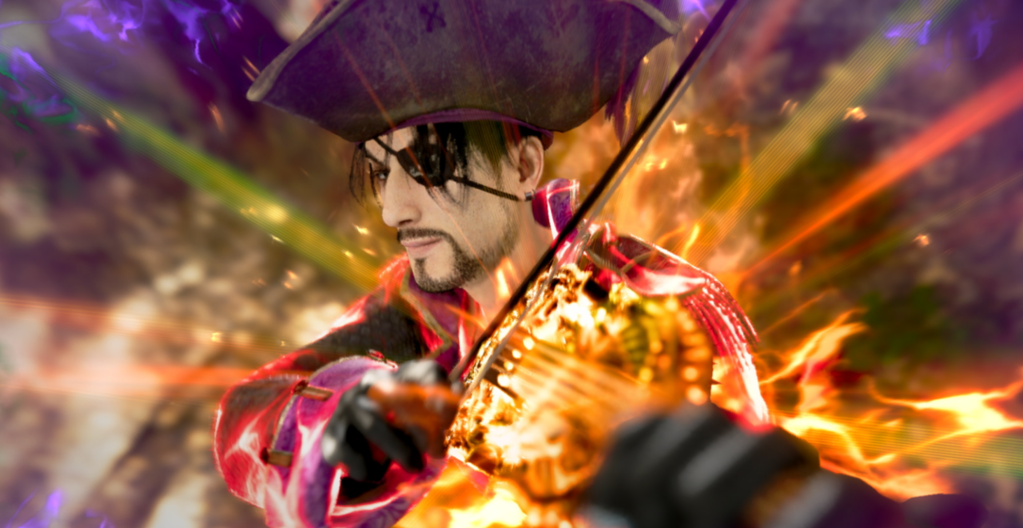
The Dark Instrument Violin in Like a Dragon: Pirate Yakuza in Hawaii

Скрипка Тёмного Бога служит вашим первым Тёмным Инструментом в Пиратской Якудзе, и она уникальным образом связана с развитием основного сюжета. Этот квест появляется во второй главе, когда член команды Джейсон направляет вас на встречу со старым знакомым. Во время этой встречи команда Мадзимы сталкивается с пиратами «Дьявольского Флага», которые убили друга Джейсона и похитили бесценный Фараонов Камень.

Затем игроки встречают Мисаки, дочь убитого друга Джейсона, которая присоединяется к команде в поисках мести. Это запускает побочную историю, которая ведёт вас к востоку от Мадлантиса, чтобы получить ваш первый Тёмный Инструмент.

Вам предстоит столкнуться с необычно сильными кораблями пиратов «Дьявольского Флага» — сосредоточьте атаки на флагмане, чтобы взять его на абордаж. Победа награждает Скрипкой Тёмного Бога, после чего появляется возможность испытать её в бою против 100 островных врагов.

После победы над островными противниками, капитаны Якудза, Ронин, Синоби и Зевс бросают вызов вашей команде. Хотя это и не обязательно для основного сюжета, победа над всеми ими становится необходимой для завершения коллекции Тёмных Инструментов.

Как получить Окарину Тёмного Бога в Пиратской Якудзе
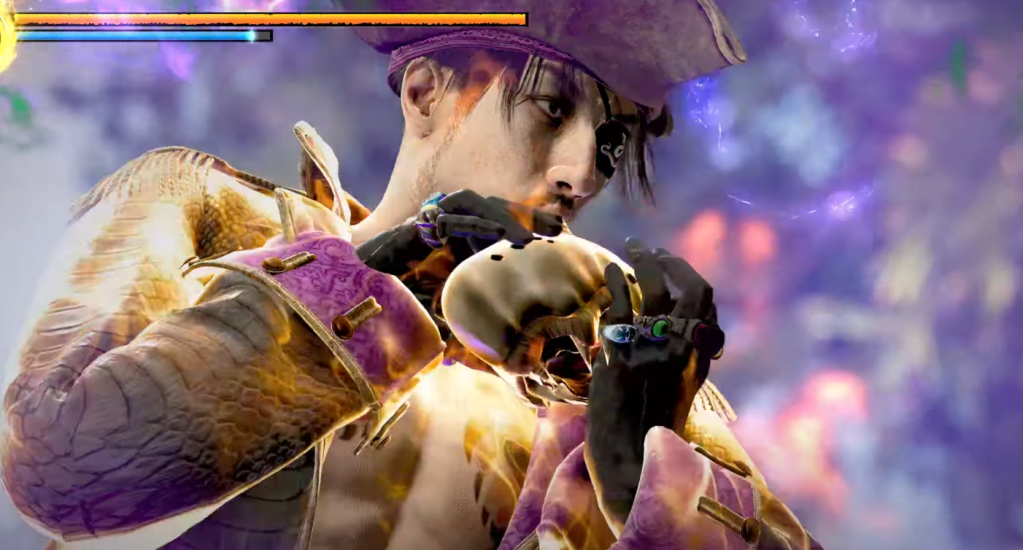
The Ocarina Dark Instrument in Like a Dragon: Pirate Yakuza in Hawaii

После вашей первой крупной битвы маркеры «Дьявольского Флага» появляются по всем морским маршрутам. Каждый побеждённый пиратский корабль засчитывается в требуемые 70 «Дьявольских Флагов», необходимых для открытия острова Атали.

Подготовьте сильный десантный отряд для многочисленных волн атак на острове Атали. После преодоления этих испытаний и победы над капитаном Якудза, Окарина Тёмного Бога становится вашей.

Как получить Гитару Тёмного Бога в Пиратской Якудзе
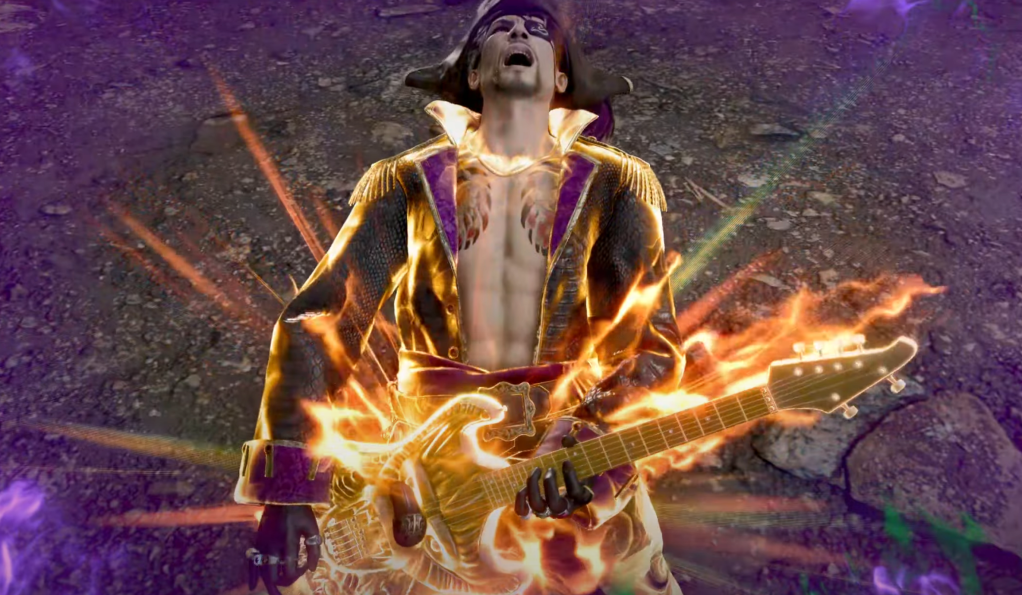
Кажущаяся подсказка капитана Якудзы о местонахождении Фараонова Камня оказывается обманом, провоцируя ещё одно масштабное сражение — идеальное для испытания вашей новой Окарины.

Команда узнаёт о направлении Зевса на Огненный Остров, для успеха требуется 130 «Дьявольских Флагов» и рейтинг не ниже трёх звёзд.

После сбора флагов отправляйтесь к Маяку Входа в Пламя, чтобы разблокировать четыре сложных острова сокровищ с ограничениями на лечащие предметы.

После завоевания островов последует очередное морское сражение — в приоритете взятие на абордаж флагмана.

Выберите Джейсона, Масару, Минами и Сэйдзиму для битв на Огненном Острове против капитана Ронина. Победа награждает Гитарой Тёмного Бога.

Как получить Саксофон Тёмного Бога в Пиратской Якудзе
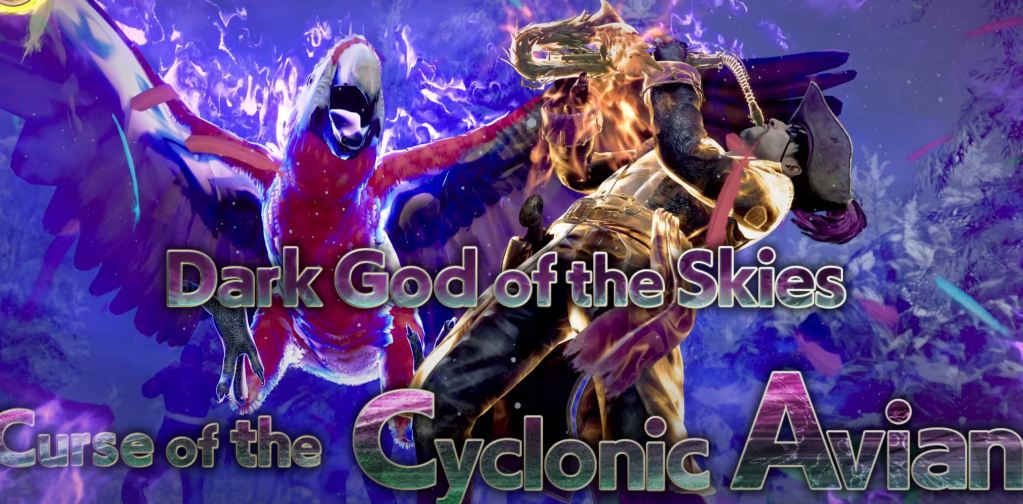
The saxaphone Dark Instrument in Like a Dragon: Pirate Yakuza in Hawaii

Последний Тёмный Инструмент требует четвёртого пиратского ранга и 220 «Дьявольских Флагов». Повышайте ранг через сюжетные миссии, вербовку и побочные активности.

Приближение к Маяку Ледяного Входа провоцирует встречи с флотами «Дьявольского Флага» и открывает четыре дополнительных острова.

Победите Первый Флот капитана Синоби до того, как островные битвы проведут вас через пещеры и зоны восстановления.

Кульминация на Ледяном Острове сталкивает вас с силами Синоби. Победа дарует Саксофон, хотя ситуация с заложником у Зевса требует последнего противостояния.

Необязательная битва с Зевсом представляет собой значительную сложность, но удовлетворительно завершает сюжетную линию «Дьявольского Флага».

Это руководство описывает, как получить все Тёмные Инструменты в Yakuza: Like a Dragon: Пиратская Якудза на Гавайях.

Yakuza: Like a Dragon: Пиратская Якудза на Гавайях в настоящее время доступна на платформах PlayStation, Xbox и PC.

Последние статьи

Более
As of now, there is no publicly verified report of Bungie undergoing a formal review of its policies specifically in response to an "uncredited art scandal." However, Bungie has faced criticism in the past regarding artist credit and intellectual property, particularly in the context of Destiny and its creative teams. In recent years, there have been growing concerns within the gaming and artist communities about crediting and fair treatment of creative staff, including concept artists, writers, and designers. Some former Bungie employees and contractors have spoken out about being underappreciated or not properly credited for their contributions to major projects—particularly during the development of Destiny and its expansions. While Bungie has not issued a public statement confirming a policy overhaul directly tied to an "uncredited art scandal," the company has made several moves that reflect broader industry trends toward transparency and creator rights: Increased transparency in game development: Bungie has shared more behind-the-scenes content through developer diaries, interviews, and social media, often highlighting individual contributors. Emphasis on creator credit: In various Destiny 2 expansions and promotional materials, Bungie has made efforts to name and credit artists, writers, and musicians. Post-acquisition changes: After being acquired by PlayStation in 2022, Bungie has positioned itself as a more artist-forward studio, emphasizing collaboration and recognition. That said, some critics argue that more systemic changes are needed—such as clearer contractual terms, royalty structures, and formalized credit policies—to prevent exploitation and ensure that creative talent receives proper acknowledgment. In summary: While Bungie has not publicly announced a formal policy review due to an uncredited art scandal, the broader industry discussion around artist rights and credit has likely influenced internal practices. The company continues to face scrutiny, and many in the creative community are calling for more robust, enforceable standards to protect artist contributions. Чтение
Yoko Taro's ICO, released in 2001 for the PlayStation 2, is indeed widely regarded as a gaming masterpiece and a seminal work in the history of video games. Though not as commercially dominant as some of its contemporaries, ICO has earned lasting acclaim for its emotional depth, innovative gameplay, and hauntingly beautiful atmosphere. Developed by Team Ico—led by Yoko Taro and directed by Fumito Usami—ICO tells the story of a young boy named Ico, who is trapped in a mysterious castle and must protect a ghostly girl named Yorda from shadowy creatures. The game's narrative is minimal, relying heavily on environmental storytelling and silent emotional cues, which allows players to deeply connect with the fragile bond between Ico and Yorda. Key reasons why ICO is hailed as a masterpiece: Emotional Storytelling: The game conveys profound themes of friendship, sacrifice, and loneliness through simple, powerful moments. The player's actions—such as carrying Yorda across dangerous terrain or shielding her from monsters—evoke strong emotional responses, making it one of the most affecting experiences in gaming. Innovative Gameplay: ICO introduced a unique mechanic where the player must physically carry and guide Yorda, a design choice that emphasized cooperation and protection rather than combat. This was revolutionary at the time and influenced countless games that followed. Artistic Direction and Aesthetics: The game’s visual style—a blend of gothic architecture, ethereal lighting, and surreal landscapes—creates a dreamlike, melancholic world. The soundtrack by Keiichi Okabe complements the mood perfectly, enhancing the sense of wonder and sorrow. Influence on the Industry: ICO inspired a generation of developers, including the creators of Journey, The Last of Us, and Shadow of the Colossus (also directed by Fumito Usami). Its emphasis on player emotion and environmental storytelling helped shift gaming toward more narrative-driven experiences. While ICO didn’t achieve massive sales, its legacy endures. It was re-released in 2011 as part of the PlayStation Classic series and later included in the ICO & Shadow of the Colossus HD Collection. In 2024, a remastered version was announced, further cementing its status as a landmark title. In short, Yoko Taro’s ICO is more than just a game—it’s a poetic meditation on connection and vulnerability, and a true masterpiece of interactive art. Чтение