
Божественность: Оригинальный грех 2 - Как заставить корабль двигаться
Освоение Леди Мстины: Божественность: Оригинальный Гид 2 Руководство по разблокировке корабля
, сбежав в Форт Джой и убрал ваш исходный воротник, ваше путешествие продолжается на борту эльфийского корабля, Леди Манси. Наступить этот корабль не простой вопрос поворота колеса; Это требует решения уникальной головоломки. Это руководство проведет вас через ступеньки.
расследование палубы корабля:
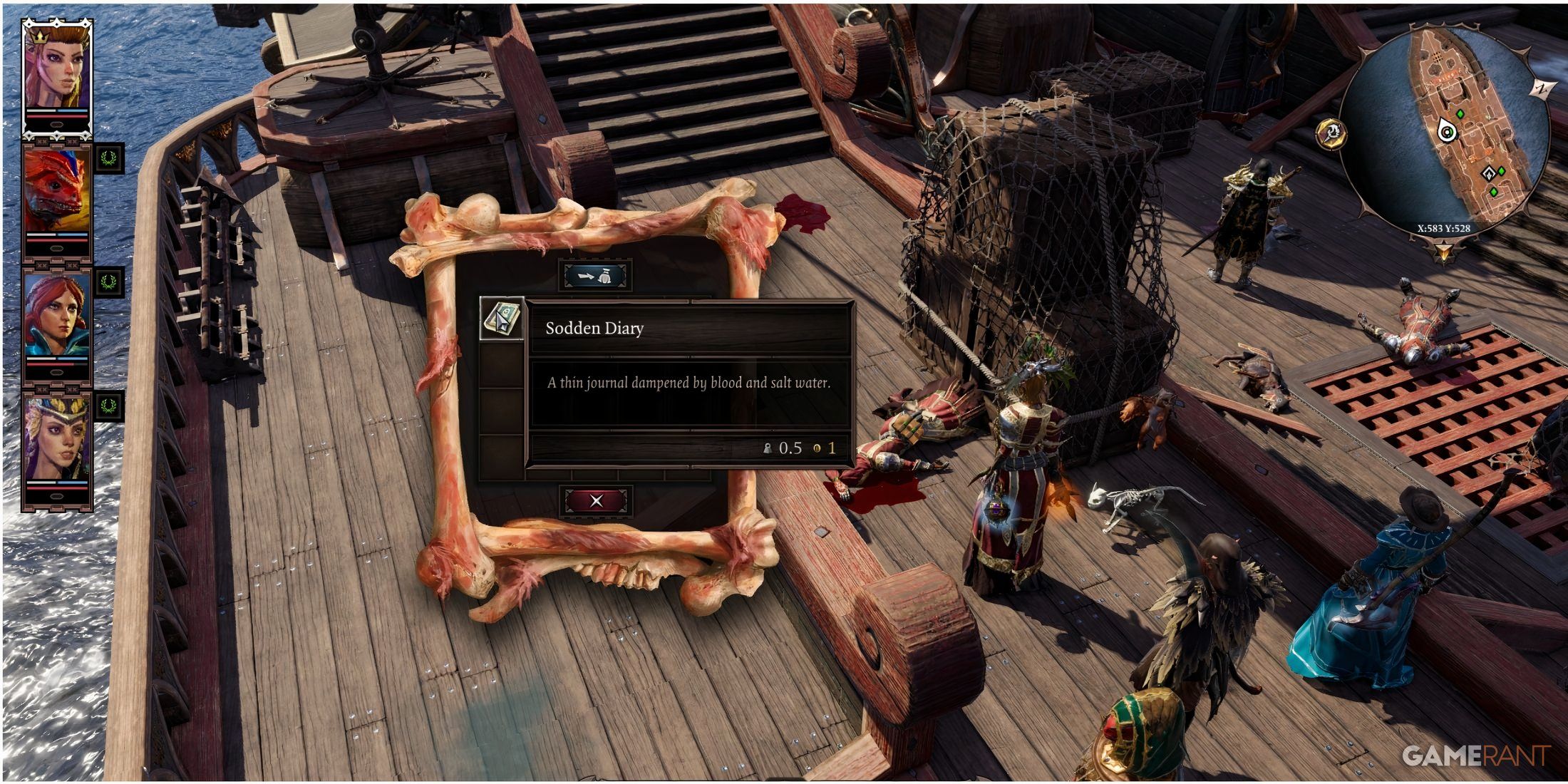 Начните с тщательного изучения палубы корабля. Изучите тела павших магистров и гейстов. Дневник, обнаруженный на одном из тел, содержит пароль, имеющий решающий значение для доступа к каюте. Вы также можете попытаться проверить навыки с дверью северной каюты, чтобы получить пароль. Кроме того, найдите странный драгоценный камень; Это важно для взаимодействия с определенной дверью каюты. Волшебное зеркало поблизости допускает соответствующие символы, полезно, если вам нужно повысить навыки для успешной проверки пароля.
Доступ к каюте порта:
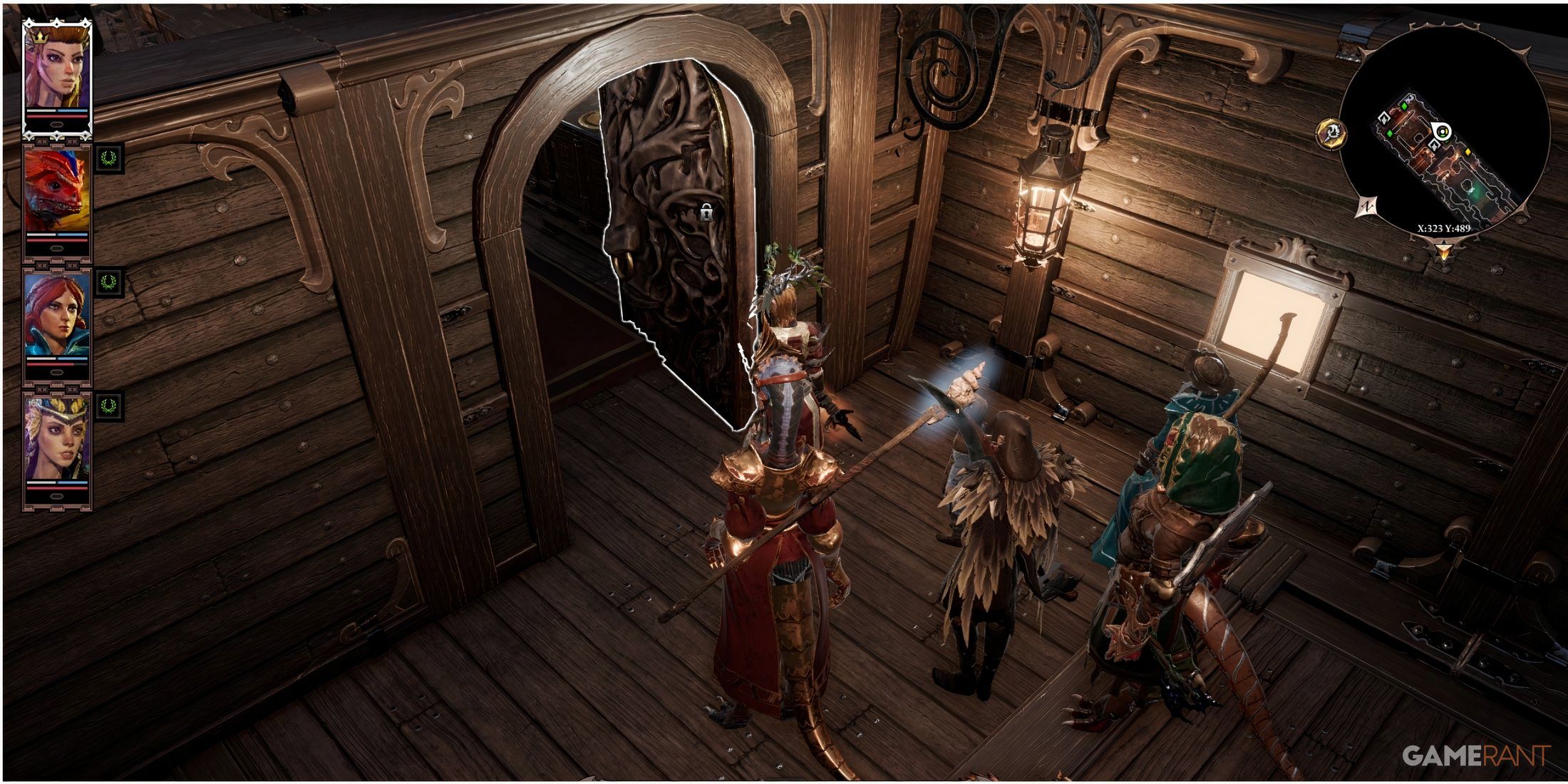 Используйте пароль из дневника (и странного драгоценного камня), чтобы разблокировать дверь каюты порта. Прежде чем сделать это, взаимодействуйте с бессознательным епископом Александра, чтобы найти странную драгоценность. Используйте этот драгоценный камень и пароль («стойкость»), чтобы открыть дверь. Внутри вы найдете салон Магистера Даллиса, скрытый люк, содержащий опасные гейисты, и призму телепортации.
Поиск книги «Песни Древней Империи»:
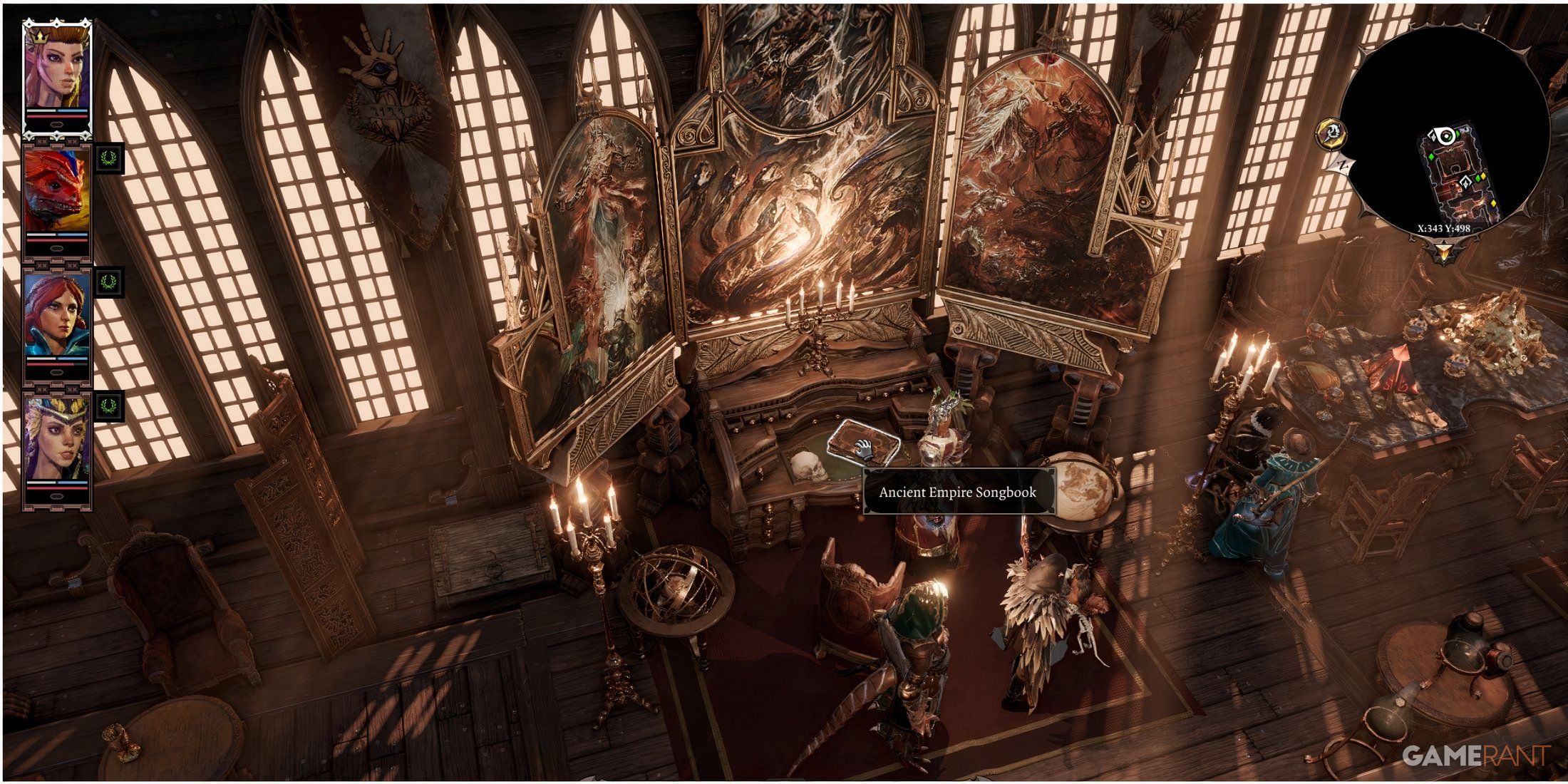 Внутри салона Даллиса поговорите с тарквином и выхлоптел все варианты диалога с Даллисом. Найдите песонную книгу «Древняя империя» на пьедестале. Чтение его покажет песню, необходимую для пробуждения корабля. Не забудьте поговорить со всеми NPC, прежде чем продолжить, так как эта возможность теряется, как только корабль отправляется в плавание.
Настройка паруса:
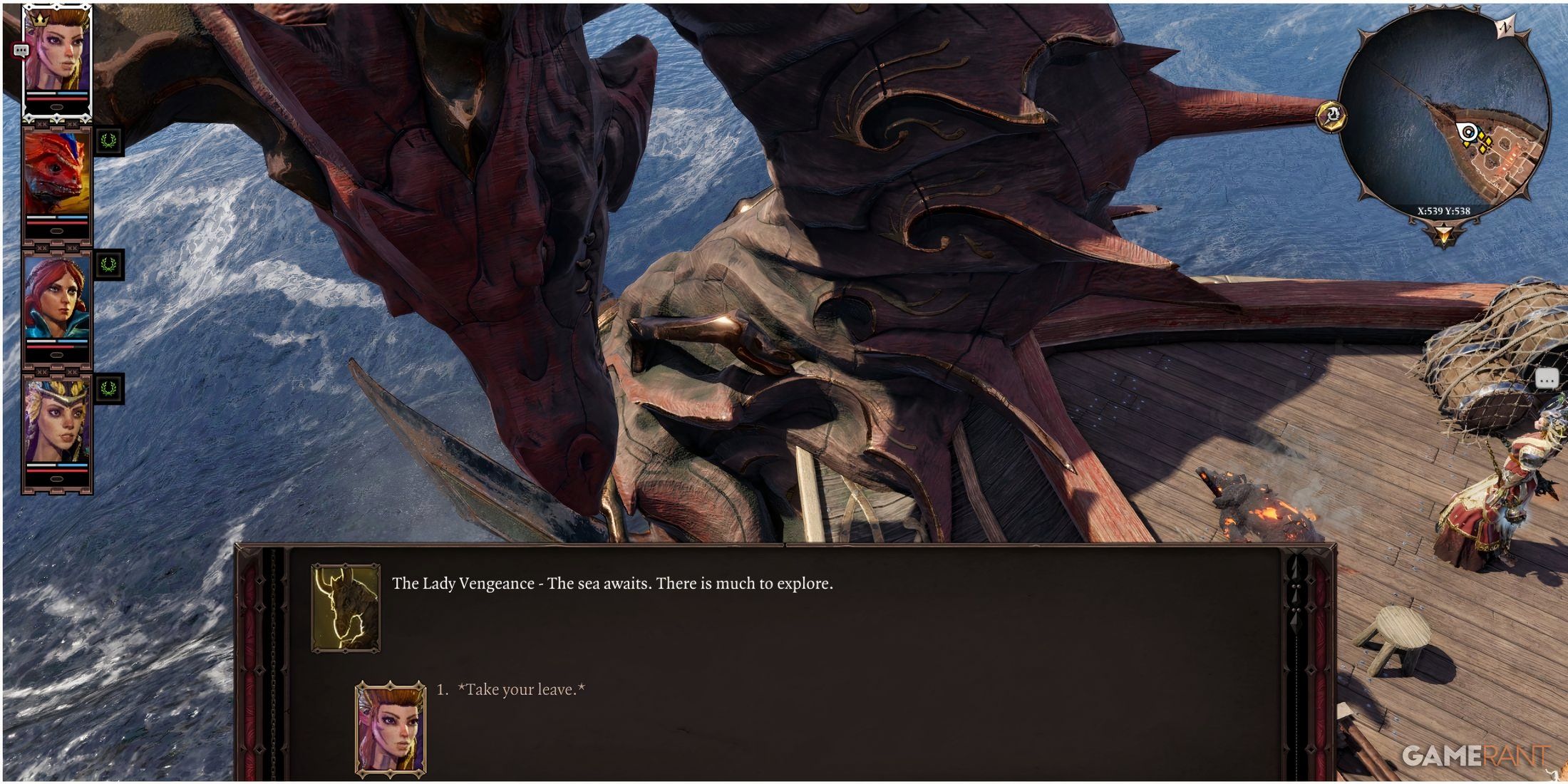 Вернитесь на палубу и поговорите с Malady. По словам ее о книге песен, она попросит вас петь на корабль. Найдите фигурку дракона на западе и выберите возможность петь песню. Леди Мести ответит, и ваше путешествие продолжается. Будьте готовы к сложной битве сразу после этого, поэтому убедитесь, что ваша партия подготовлена.
Последние статьи
Трендовые игры










Главные новости

](https://images.dyk8.com/uploads/18/17380116246797f3e8a8a39.jpg)


Последние игры