Дом Новости Билли Пайпер вернется в «Доктора Кто», но её роль пока неизвестна

Билли Пайпер вернется в «Доктора Кто», но её роль пока неизвестна

Автор : Olivia Обновлять : Nov 02,2025

Нкути Гатва неожиданно покинул «Доктора Кто», и, судя по всему, его место Лорда Времени займёт Билла Пайпер — однако фанаты подозревают, что за этим переходом скрывается нечто большее.

Финальный эпизод сезона ознаменовал уход Гатвы после восемнадцати серий в роли Пятнадцатого Доктора, который регенерировал в персонажа Пайпер — неожиданный поворот, учитывая её предыдущую роль спутницы Розы Тайлер.

Любопытно, что в то время как Гатва и возвращающаяся звезда Джоди Уиттакер получили указание «Доктор» в титрах, Пайпер была представлена без указания персонажа — что подогрело спекуляции о её реальной роли во франшизе.

Play

Изначально Пайпер снималась вместе с Кристофером Экклстоуном и Дэвидом Теннантом в роли Розы Тайлер, позже вновь появившись как Мгновение — разумное оружие, ключевое для специального выпуска к 50-летию сериала.

Нетрадиционная регенерация вызывает вопросы: Обычно означающая полную смену протагониста, эта передача происходит на фоне неопределённости в производстве. Гатва недавно pioneered «бигенерацию» — позволяющую нескольким Докторам сосуществовать — что потенциально объясняет неоднозначный статус Пайпер.

«Может ли это быть следующей фазой бигенерации?» — предположил один пользователь Reddit, высказав идею, что Пайпер может представлять реинтеграцию, а не преемственность.

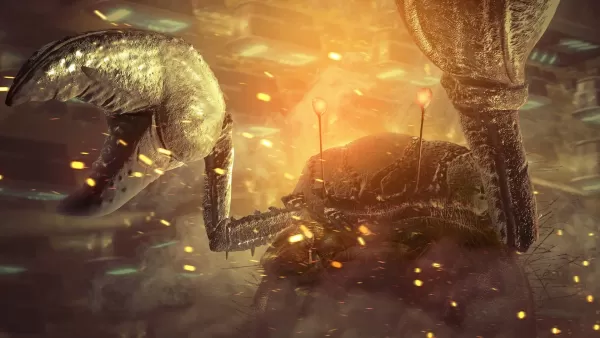
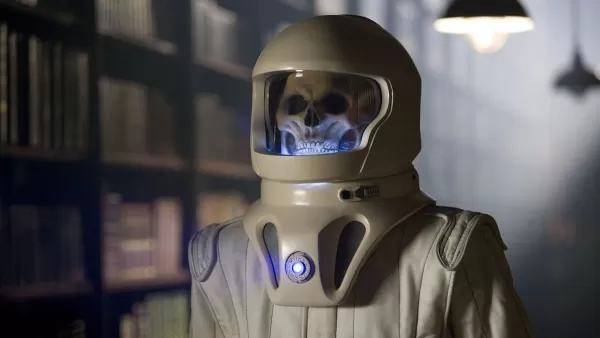
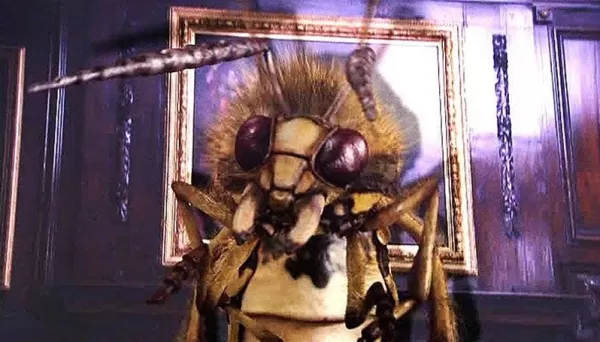
Самые знаковые злодеи современной эпохи «Доктора Кто»
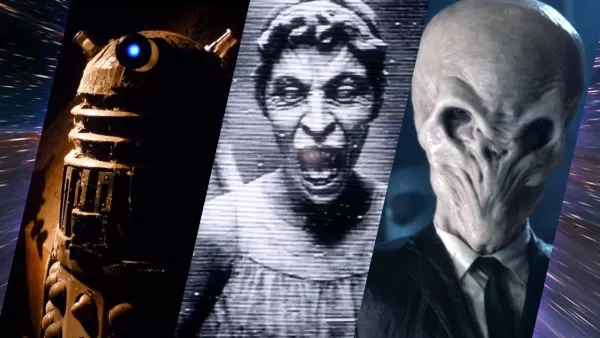
Посмотреть 21 изображение
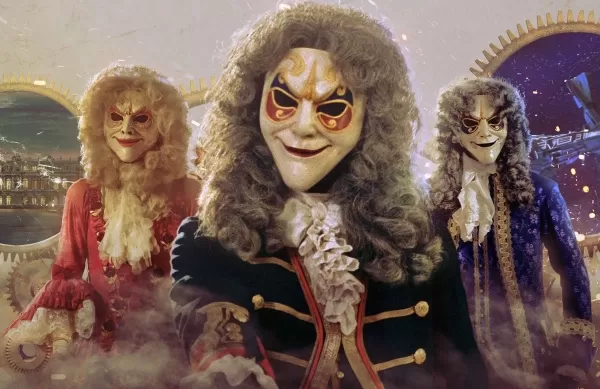
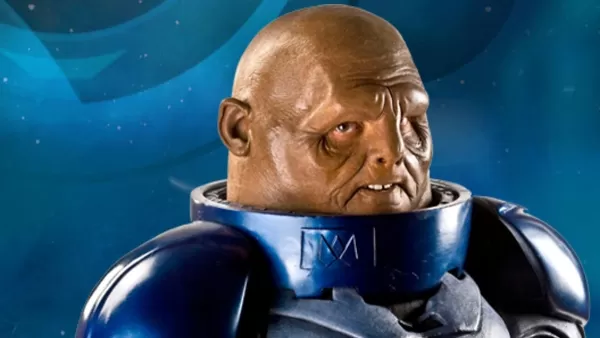
Поскольку BBC и Disney ещё официально не продлили сериал, кастинг Пайпер может отражать творческую гибкость — позволяя избежать обязательств традиционной регенерации, сохраняя при этом нарративные возможности открытыми.

«Это похоже на временное решение», — отметил другой фанат. — «Сценаристы, вероятно, сохранили преднамеренную неопределённость в отношении персонажа Пайпер, пока не прояснится ситуация с производством.»

Загадочная новая роль Биллы Пайпер. Фото: Kate Green/BAFTA/Getty Images for BAFTA.

Теорий много: Может ли Пайпер вновь сыграть Мгновение? Воплотить давно предсказанного Вэльярда? Или действительно стать главной героиней в роли Шестнадцатого Доктора? Её участие — будь то в спецвыпусках или полноценном сезоне — стабилизирует франшизу в этот переходный период.

«Учитывая недавние возрождения злодеев», — отметил участник фан-форума, — «кастинг Розы в роли Вэльярда мог бы блестяще опровергнуть ожидания, проявляя эмоциональные крайности Доктора, а не традиционную тьму.»

Поскольку производство в настоящее время приостановлено, возвращение «Доктора Кто» до 2027 года кажется маловероятным — что оставляет фанатам достаточно времени для спекуляций о истинной роли Пайпер в Универсуме Доктора.

Последние статьи

Более
As of now, there is no publicly verified report of Bungie undergoing a formal review of its policies specifically in response to an "uncredited art scandal." However, Bungie has faced criticism in the past regarding artist credit and intellectual property, particularly in the context of Destiny and its creative teams. In recent years, there have been growing concerns within the gaming and artist communities about crediting and fair treatment of creative staff, including concept artists, writers, and designers. Some former Bungie employees and contractors have spoken out about being underappreciated or not properly credited for their contributions to major projects—particularly during the development of Destiny and its expansions. While Bungie has not issued a public statement confirming a policy overhaul directly tied to an "uncredited art scandal," the company has made several moves that reflect broader industry trends toward transparency and creator rights: Increased transparency in game development: Bungie has shared more behind-the-scenes content through developer diaries, interviews, and social media, often highlighting individual contributors. Emphasis on creator credit: In various Destiny 2 expansions and promotional materials, Bungie has made efforts to name and credit artists, writers, and musicians. Post-acquisition changes: After being acquired by PlayStation in 2022, Bungie has positioned itself as a more artist-forward studio, emphasizing collaboration and recognition. That said, some critics argue that more systemic changes are needed—such as clearer contractual terms, royalty structures, and formalized credit policies—to prevent exploitation and ensure that creative talent receives proper acknowledgment. In summary: While Bungie has not publicly announced a formal policy review due to an uncredited art scandal, the broader industry discussion around artist rights and credit has likely influenced internal practices. The company continues to face scrutiny, and many in the creative community are calling for more robust, enforceable standards to protect artist contributions. Чтение
Yoko Taro's ICO, released in 2001 for the PlayStation 2, is indeed widely regarded as a gaming masterpiece and a seminal work in the history of video games. Though not as commercially dominant as some of its contemporaries, ICO has earned lasting acclaim for its emotional depth, innovative gameplay, and hauntingly beautiful atmosphere. Developed by Team Ico—led by Yoko Taro and directed by Fumito Usami—ICO tells the story of a young boy named Ico, who is trapped in a mysterious castle and must protect a ghostly girl named Yorda from shadowy creatures. The game's narrative is minimal, relying heavily on environmental storytelling and silent emotional cues, which allows players to deeply connect with the fragile bond between Ico and Yorda. Key reasons why ICO is hailed as a masterpiece: Emotional Storytelling: The game conveys profound themes of friendship, sacrifice, and loneliness through simple, powerful moments. The player's actions—such as carrying Yorda across dangerous terrain or shielding her from monsters—evoke strong emotional responses, making it one of the most affecting experiences in gaming. Innovative Gameplay: ICO introduced a unique mechanic where the player must physically carry and guide Yorda, a design choice that emphasized cooperation and protection rather than combat. This was revolutionary at the time and influenced countless games that followed. Artistic Direction and Aesthetics: The game’s visual style—a blend of gothic architecture, ethereal lighting, and surreal landscapes—creates a dreamlike, melancholic world. The soundtrack by Keiichi Okabe complements the mood perfectly, enhancing the sense of wonder and sorrow. Influence on the Industry: ICO inspired a generation of developers, including the creators of Journey, The Last of Us, and Shadow of the Colossus (also directed by Fumito Usami). Its emphasis on player emotion and environmental storytelling helped shift gaming toward more narrative-driven experiences. While ICO didn’t achieve massive sales, its legacy endures. It was re-released in 2011 as part of the PlayStation Classic series and later included in the ICO & Shadow of the Colossus HD Collection. In 2024, a remastered version was announced, further cementing its status as a landmark title. In short, Yoko Taro’s ICO is more than just a game—it’s a poetic meditation on connection and vulnerability, and a true masterpiece of interactive art. Чтение