Ultimate Guide to Minecraft Wood
Have you ever wondered just how many types of trees Minecraft offers and the best ways to utilize them? This guide explores every wood type, their distinct properties, and how to strategically apply this vital resource throughout your gameplay.
Presently, Minecraft features twelve primary tree types, each boasting its own unique traits and wood textures.
Table of Contents
Oak Birch Spruce Jungle Acacia Dark Oak Pale Oak Mangrove Warped Crimson Cherry Azalea 0 0 Leave a Comment
Oak
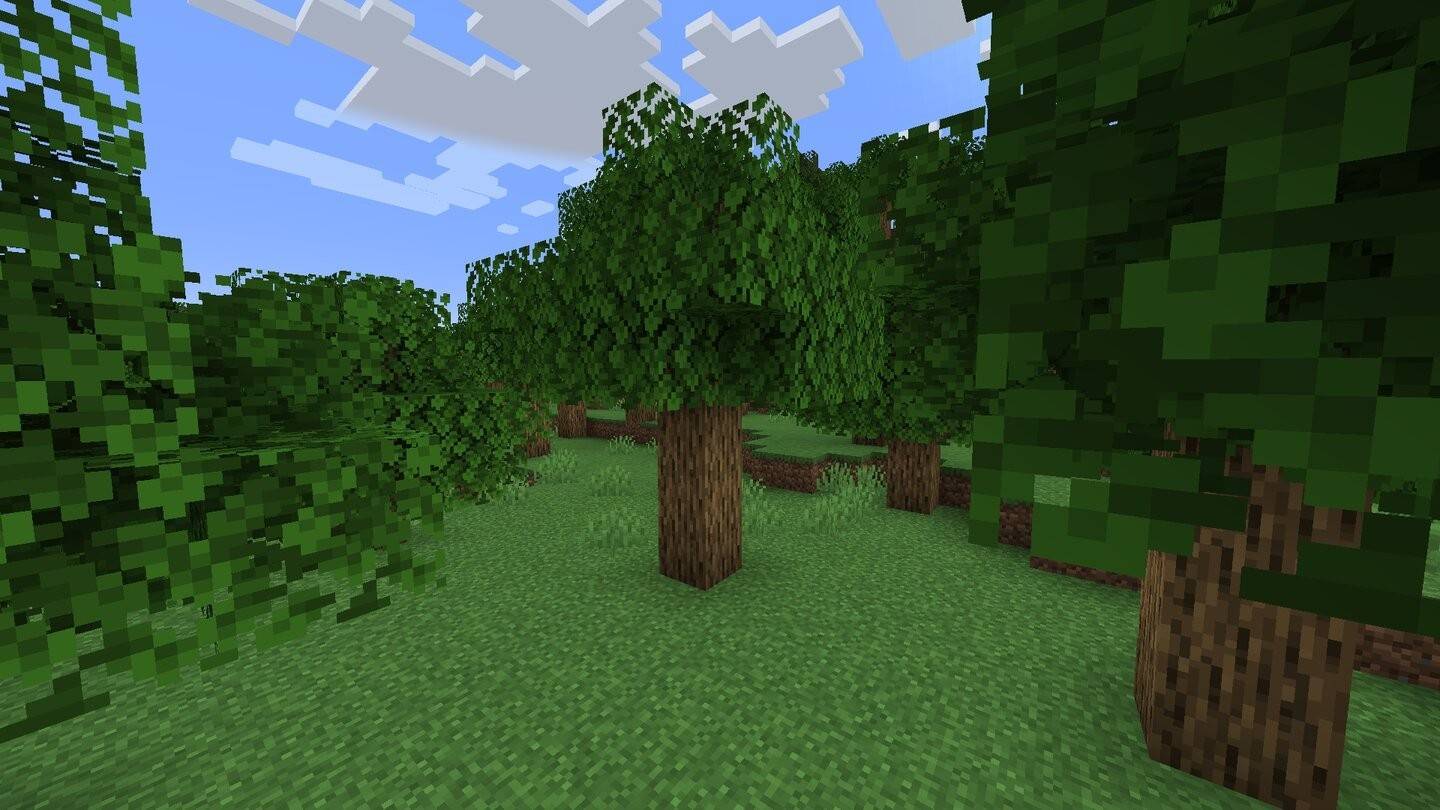 Image: ensigame.com
The most widespread tree, found in nearly every biome except deserts and icy tundras. Oak wood is incredibly versatile, perfect for all foundational crafting—be it planks, sticks, fences, or ladders.
Oak trees also drop apples, a valuable early-game food source or ingredient for crafting golden apples. Its classic appearance makes it ideal for cozy, traditional builds. Thanks to its neutral tone, oak complements any construction style, from rustic cabins to urban structures.
Birch
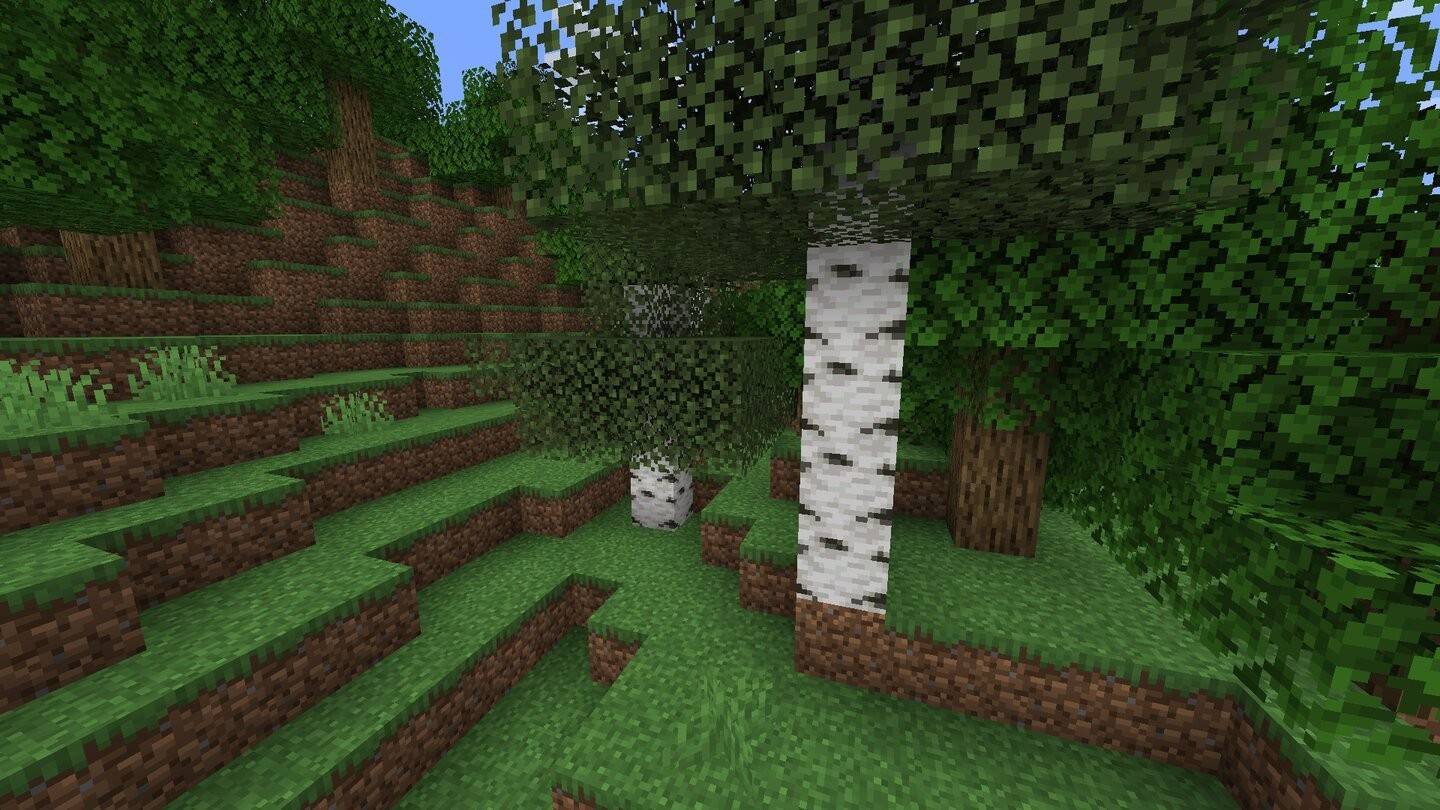 Image: ensigame.com
With its pale wood and distinctive grain, birch adds a sleek, stylish touch to almost any structure. Birch trees thrive in birch forests and mixed biomes. This wood is a favorite among players constructing modern or minimalist designs. Its clean texture pairs beautifully with stone and glass, making it a superb choice for bright, airy interiors.
Spruce
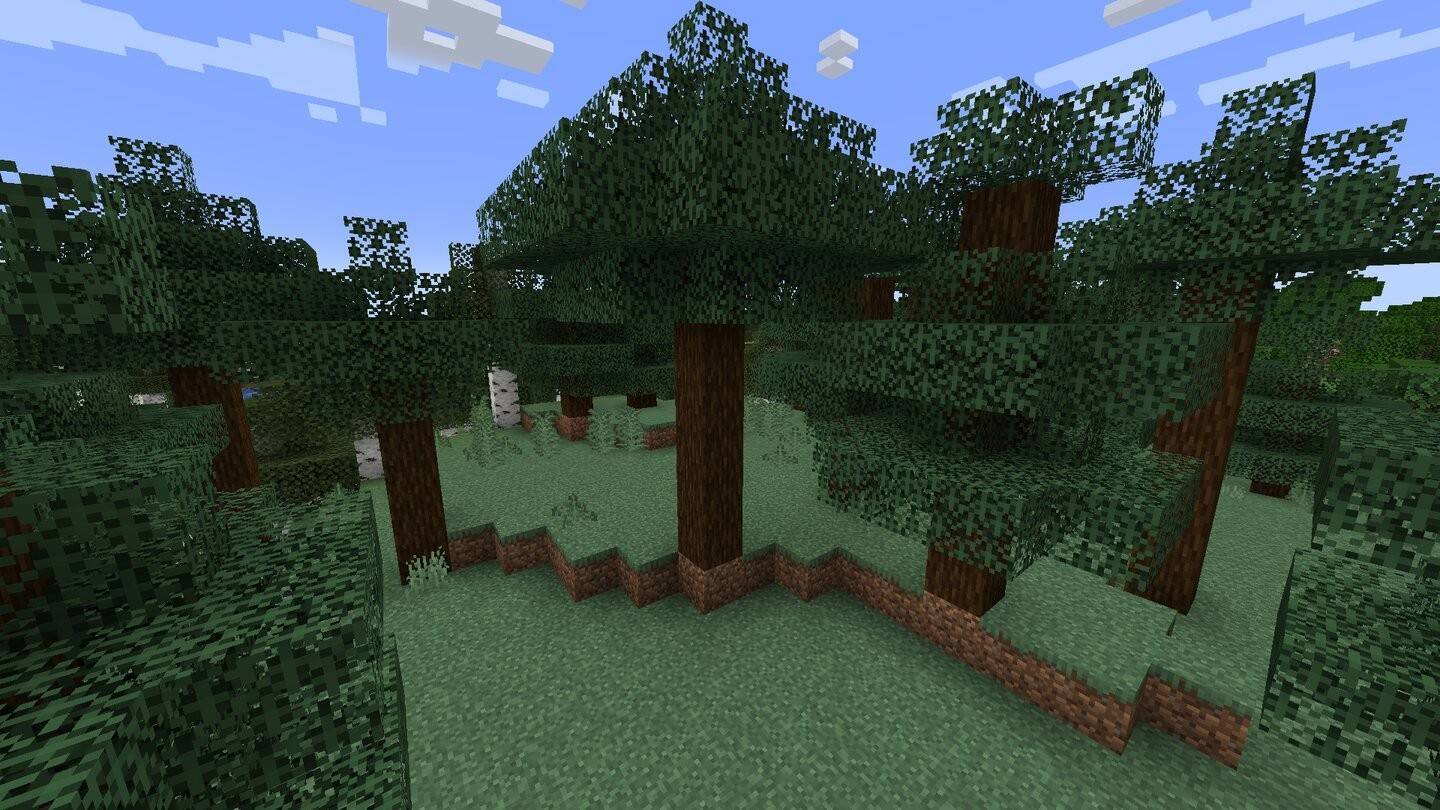 Image: ensigame.com
Dark sprucewood is excellent for creating brooding, gothic-inspired buildings. These trees are notably tall, which can make harvesting them a more demanding task.
Spruce trees are common in taiga and snowy biomes. Their wood texture imparts a warm, sturdy feel to constructions, making it perfect for medieval castles, bridges, and country homes.
Jungle
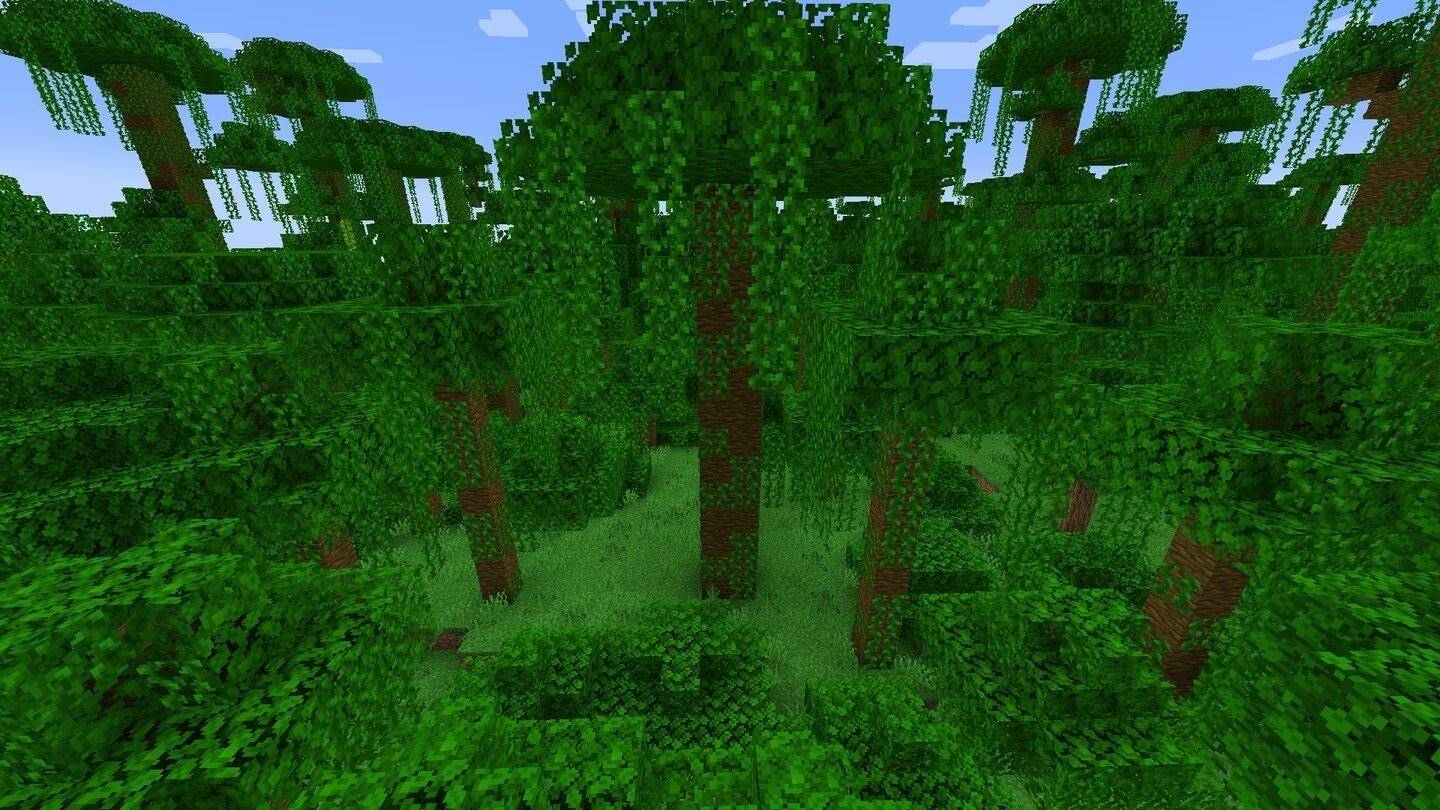 Image: ensigame.com
These towering giants are exclusive to jungle biomes. Jungle wood has a vibrant hue and is primarily used decoratively. Cocoa beans also grow on jungle tree trunks, making this wood handy for establishing a cocoa farm.
Its exotic appearance makes it suitable for adventure-themed builds, pirate coves, or tropical outposts.
Acacia
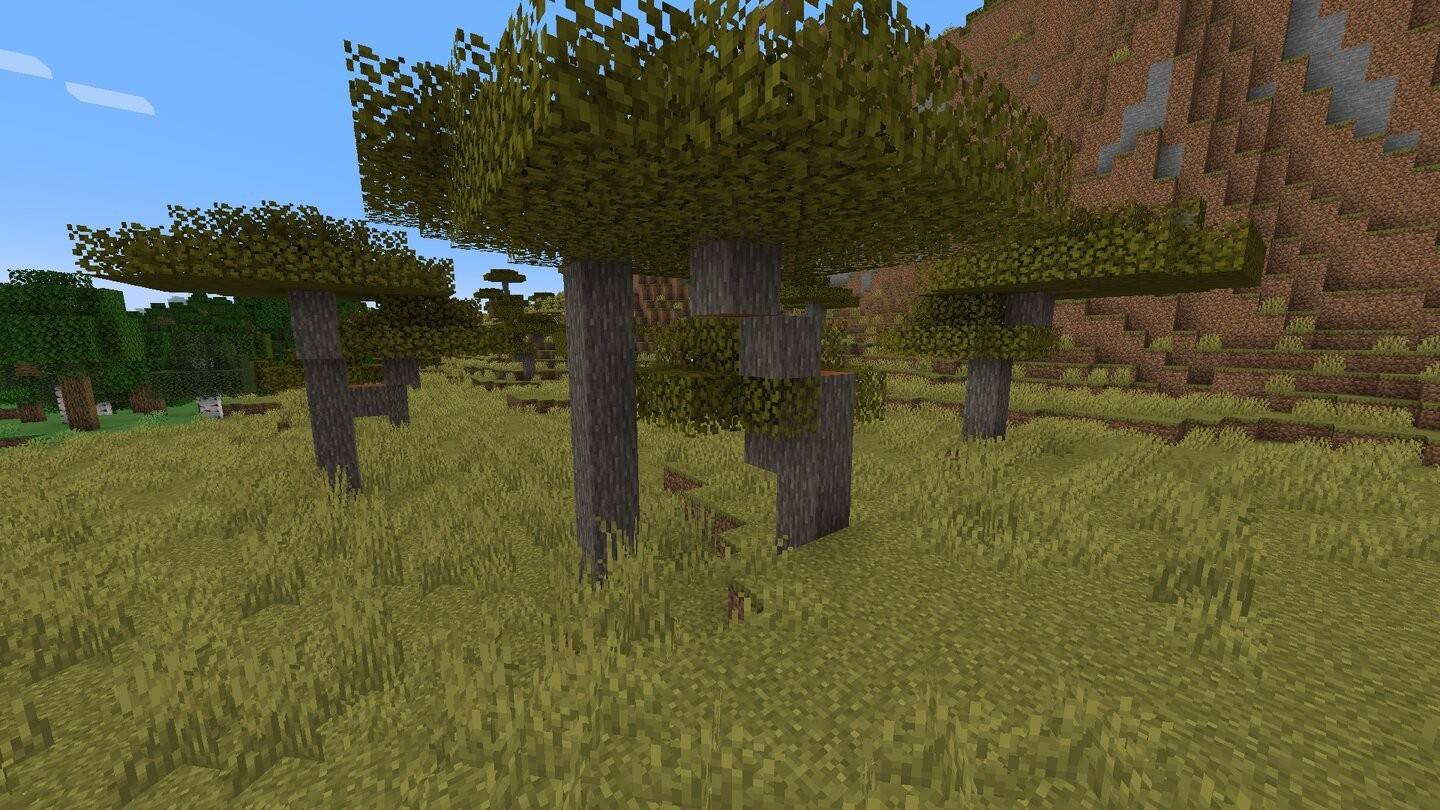 Image: ensigame.com
Acacia wood is easily recognized by its reddish-orange tint, creating a stunning look in desert biomes. Found in savannas, these trees have a distinctive, sprawling branch structure. Acacia is ideal for building ethnic-style villages, desert bridges, or builds inspired by African landscapes.
Dark Oak
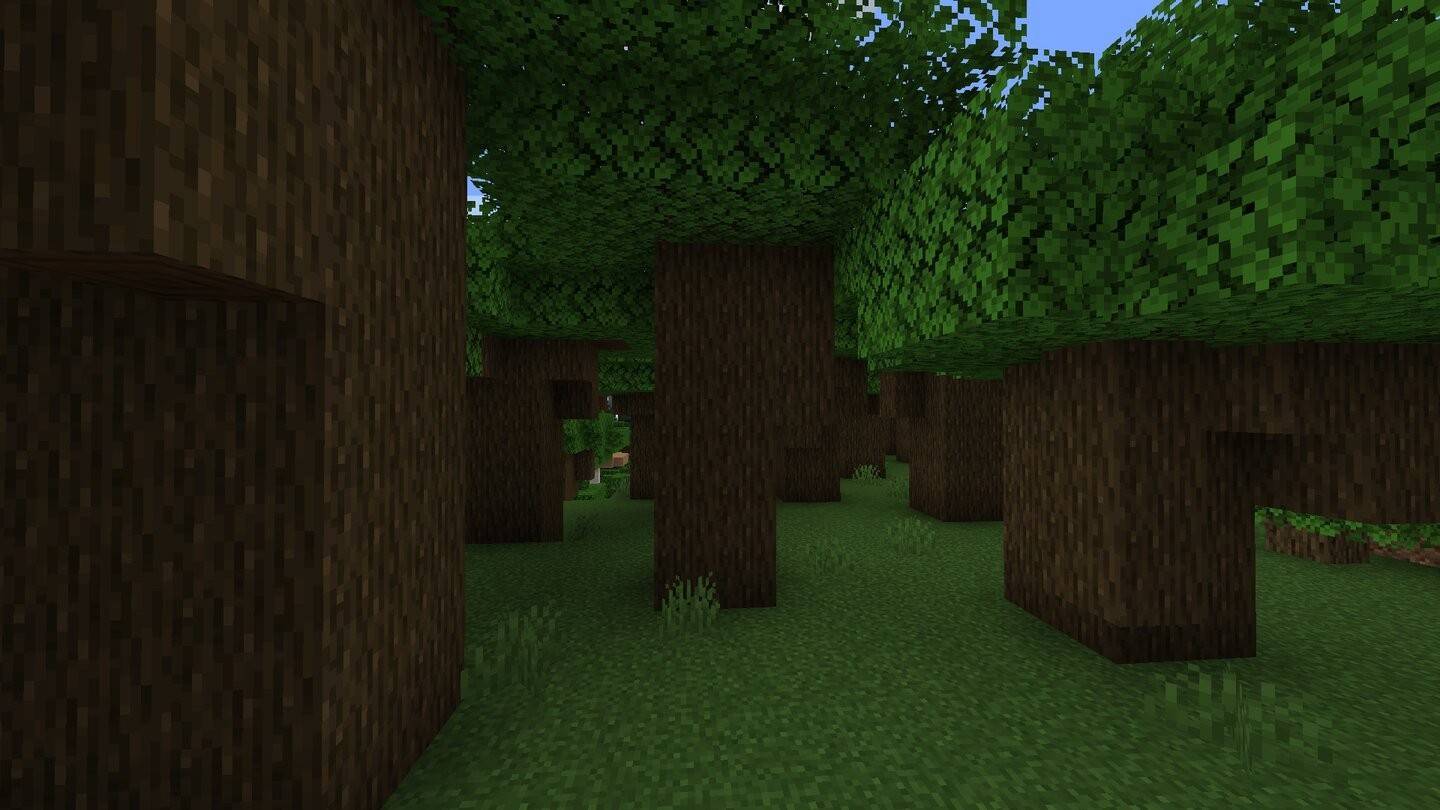 Image: ensigame.com
Another type of dark wood, Dark Oak features a rich, chocolate-brown color favored by builders of castles and medieval fortresses.
However, acquiring it early can be challenging, as it only generates in Dark Forest biomes and requires four saplings to grow. Its deep color and texture make it an outstanding choice for luxurious interiors or imposing doors.
Pale Oak
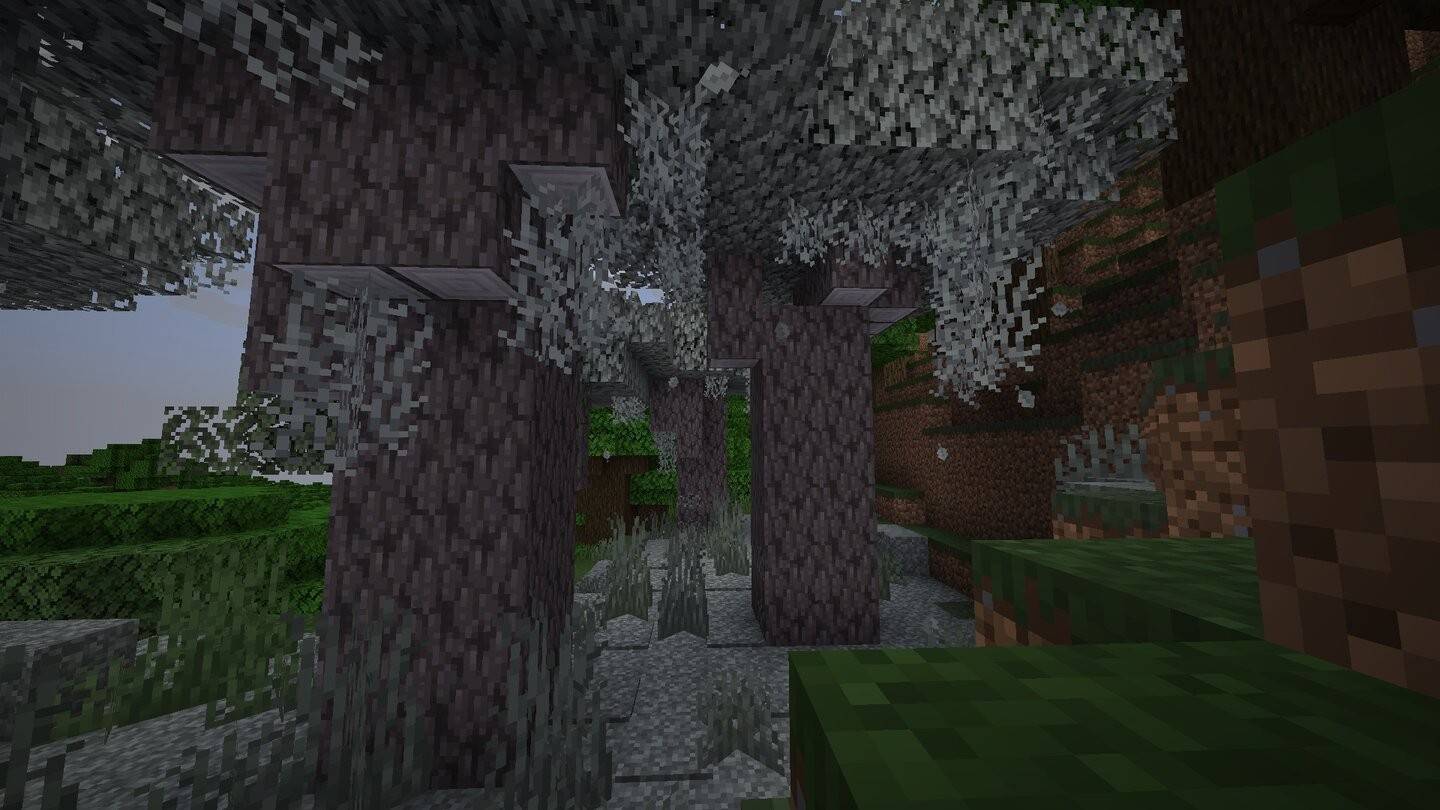 Image: ensigame.com
One of the rarest trees, appearing only in the Pale Garden biome. Pale Oak shares its texture with Dark Oak but is tinted in gray. The tree is draped with hanging pale moss, and screechers can be found within its trunk, which summon aggressive screecher mobs at night. It pairs perfectly with Dark Oak due to their matching texture and contrasting colors.
Mangrove
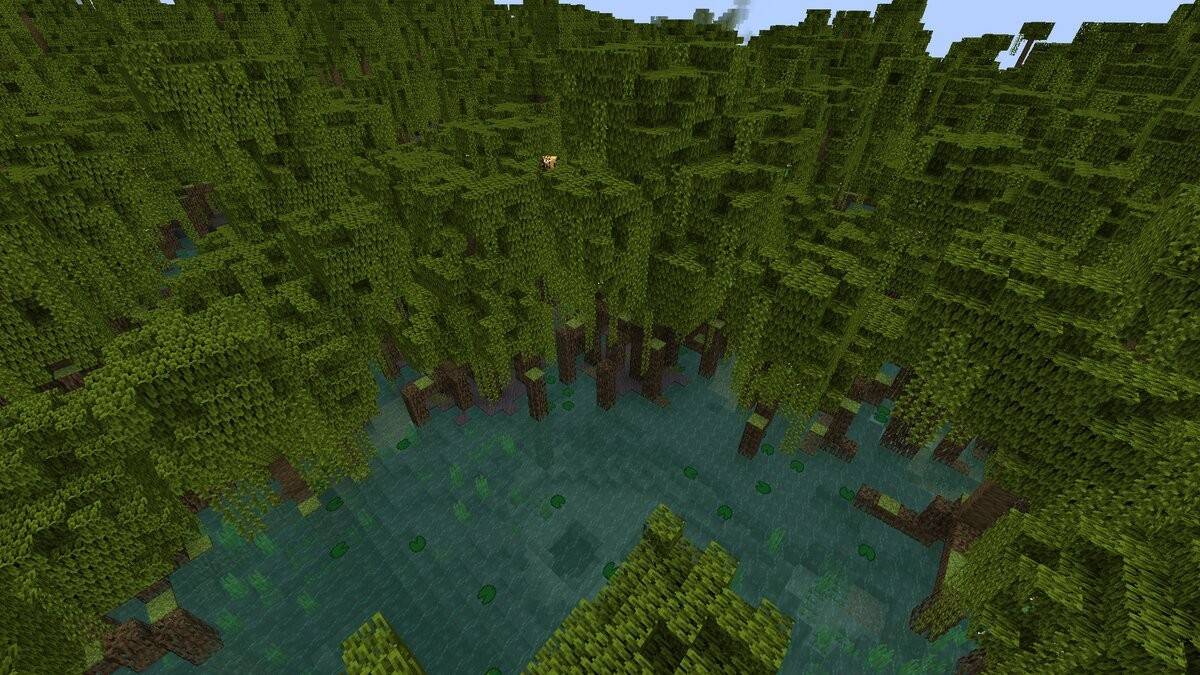 Image: youtube.com
Introduced in a recent update, Mangrove trees grow in swampy mangroves. Their wood has a reddish-brown hue, and their distinctive roots can be used as a unique decorative block. Mangrove wood is perfect for constructing docks, bridges, or any swamp-themed build, adding natural authenticity to the environment.
Warped
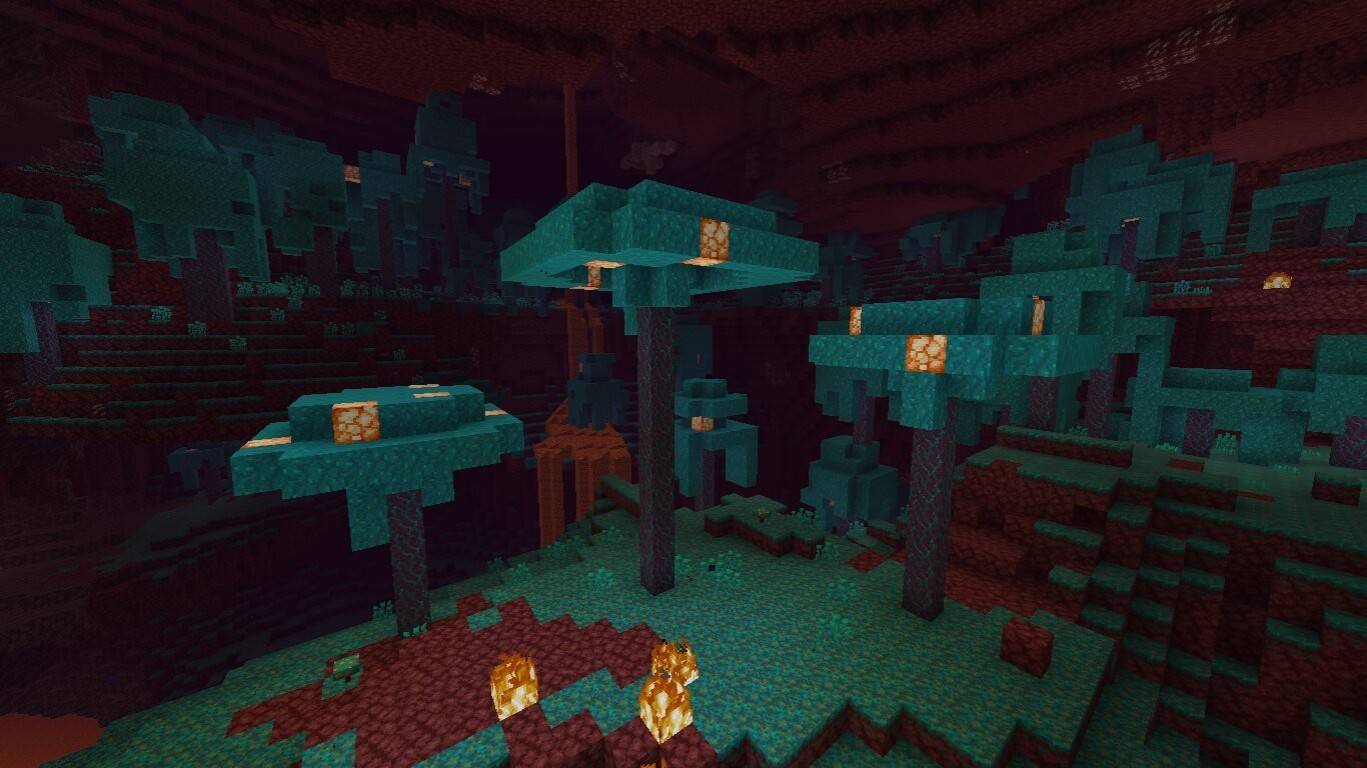 Image: feedback.minecraft.net
One of the two tree types found in the Nether. Warped wood boasts a vibrant cyan color, perfect for otherworldly, fantasy-style constructions. Its bright texture suits magical towers, mystical portals, or alien gardens. Nether trees are also fireproof, allowing for creative use in hazardous builds.
Crimson
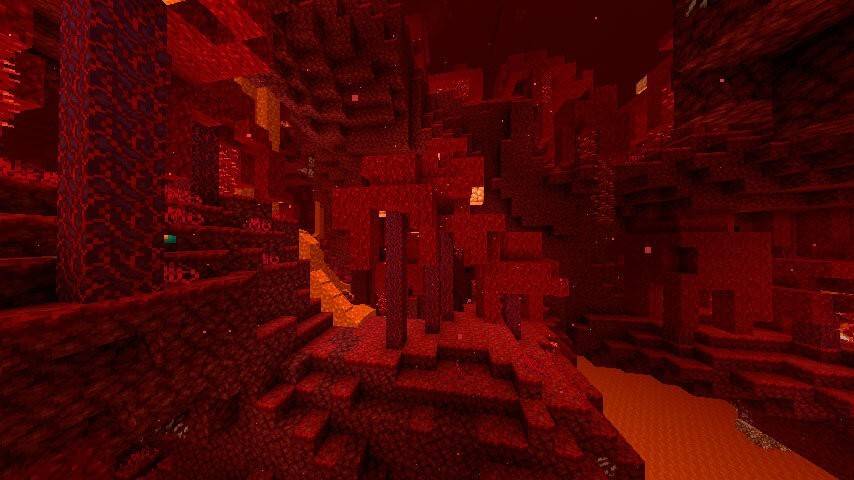 Image: pixelmon.site
The second Nether tree type. Its deep red-purple wood is ideal for dark, menacing, or demonic-themed builds. Like Warped wood, Crimson is non-flammable, making it safe for perilous environments. It's also popular for crafting interiors that capture the essence of the Nether.
Cherry
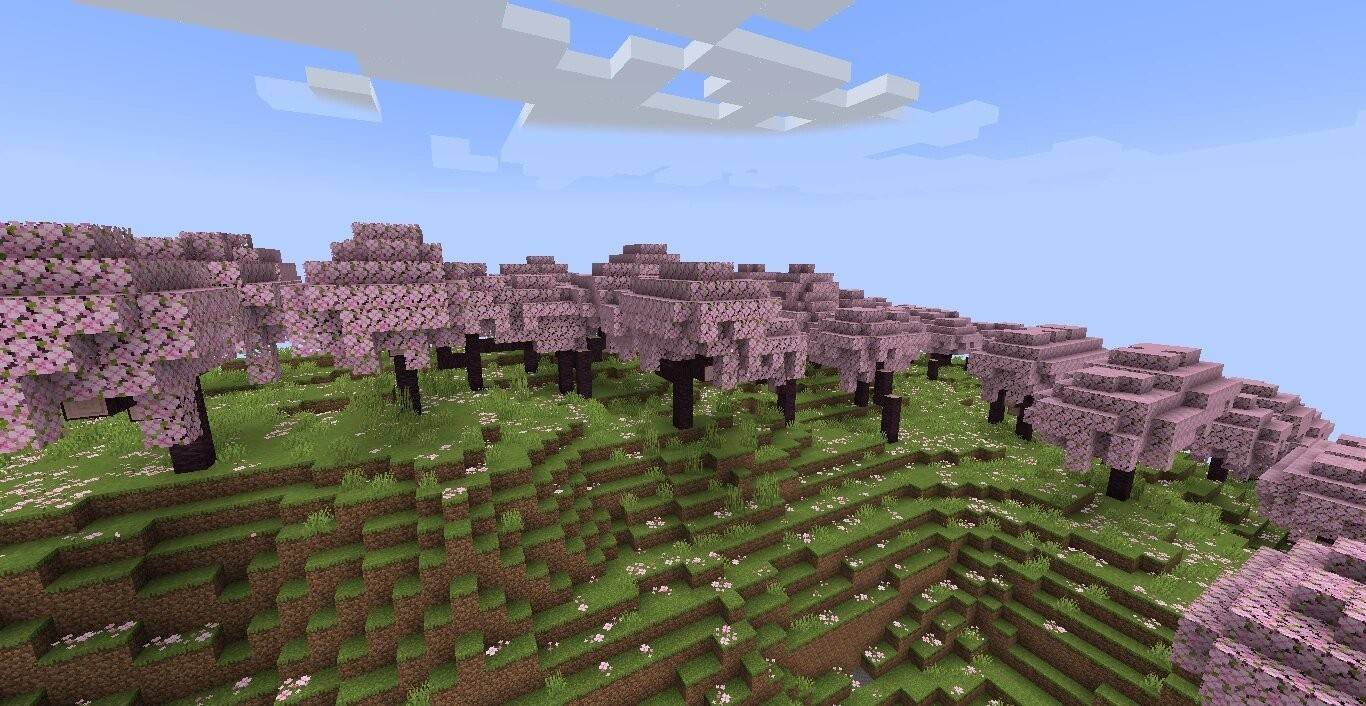 Image: minecraft.fandom.com
Another rare find, Cherry trees are exclusive to the Cherry Grove biome. Their defining feature is pink leaves that generate falling petal particles, perfect for adding atmospheric beauty and unique design flair. The wood itself has a soft pink shade, often used for decorative interiors and crafting distinctive furniture.
Azalea
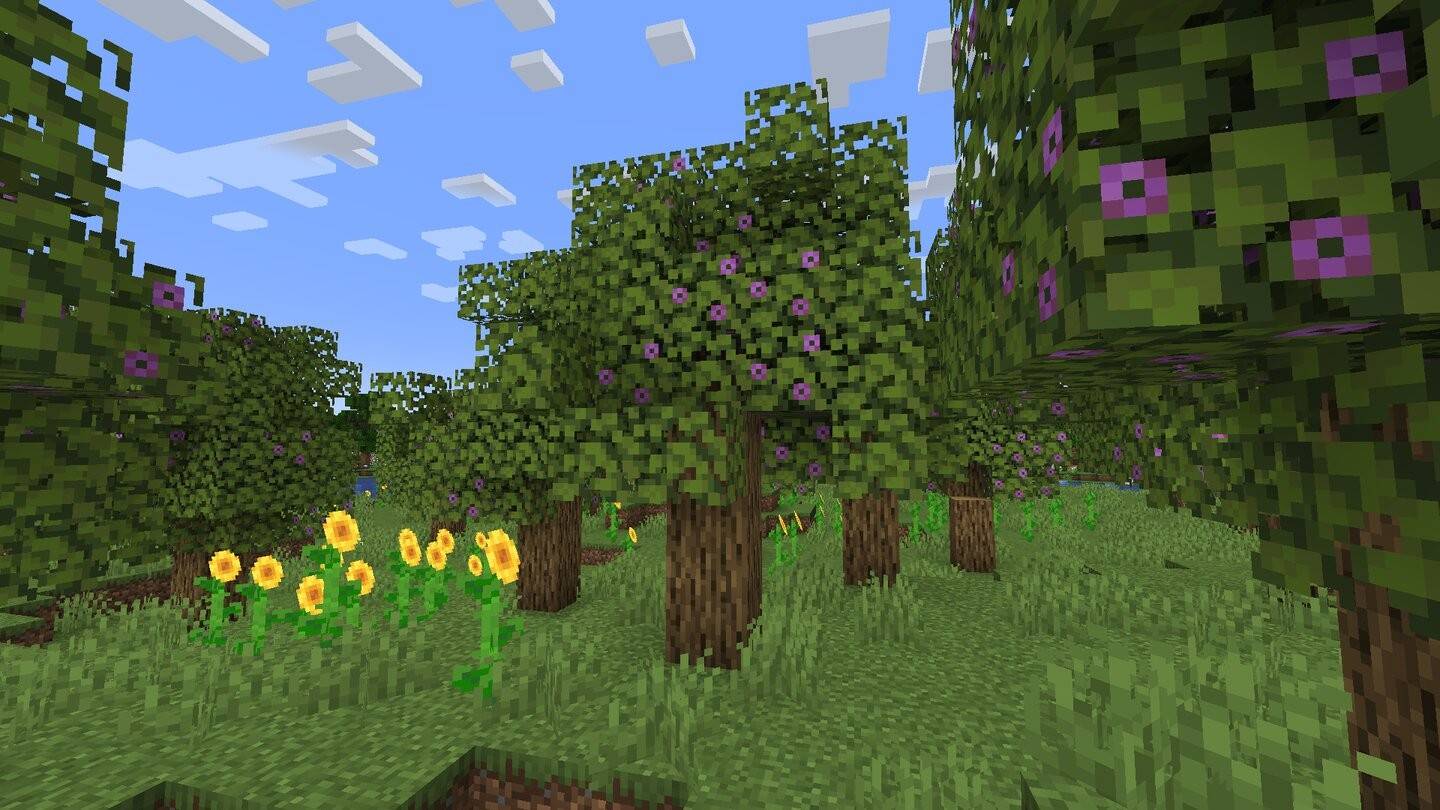 Image: ensigame.com
This tree shares several traits with Oak but has unique features. Azalea trees generate above Lush Caves, serving as a natural marker for a cave system below. It is also one of only two trees with visible root blocks. While its wood is standard Oak, the tree itself is of decorative interest due to its flowering leaves.
Wood is more than a mere resource; it's the cornerstone of survival and creativity in Minecraft. While any wood type works for basic crafting, the unique textures and color palette offer immense variety for building one-of-a-kind structures. By understanding each wood's characteristics, you can leverage them effectively in construction, crafting, decoration, and farming. So grab your axe, venture into the nearest forest, and start crafting your masterpiece!
Latest Articles
Trending Games










Top News

![Roblox Forsaken Characters Tier List [UPDATED] (2025)](https://images.dyk8.com/uploads/18/17380116246797f3e8a8a39.jpg)







Latest Games