Konami запускает мобильную игру Suikoden STAR LEAP
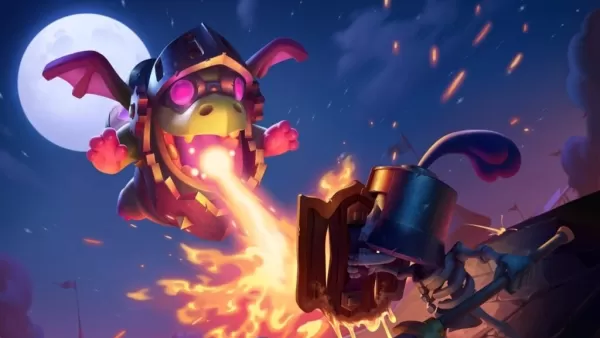
Легендарная франшиза Suikoden возвращается — хотя и не так, как ожидали фанаты. Konami и разработчик MYTHRIL анонсировали Suikoden STAR LEAP — новую бесплатную мобильную RPG для Android и iOS. Точная дата релиза пока не названа, но ожидается, что игра выйдет позже в этом году.
Наследие в новом формате
Впервые представленная в 1995 году, Suikoden — это культовая серия JRPG, созданная Ёситакой Мураямой и издаваемая Konami. Вдохновлённая китайской классикой «Речные заводи», она рассказывает истории о политических интригах, мистических Истинных Рунах и сборе 108 Звёзд Судьбы. После 11 частей (включая спин-оффы) и 12-летнего перерыва Konami возрождает франшизу — но в виде мобильного проекта, а не традиционного продолжения для консолей.
Новые герои, классический стиль
Suikoden STAR LEAP представляет свежий состав персонажей, сохраняя при этом фирменную систему набора 108 героев. Проект остаётся верен пиксель-арт эстетике серии, но предлагает новый сюжет, посвящённый Руне Перемен — одной из 27 Истинных Рун, сформировавших мир.
Игроки возьмут на себя роль Хоу, сына деревенского старосты, чья жизнь меняется после атаки, разрушившей его дом. В сопровождении спутников — Хисуи (слуги с подавленными эмоциями), Ширин (решительной подруги детства) и Шапура (бывшего генерала, ставшего дворецким) — Хоу отправляется в путешествие, чтобы восстановить мир.
Реакция фанатов и дальнейшие планы
Анонс вызвал неоднозначную реакцию у давних поклонников: многие надеялись на полноценное консольное продолжение, а не на мобильную игру с системой гачи. Подробности об игровом процессе пока скудны, но Konami обещает раскрыть больше информации перед релизом.
Пока что энтузиасты могут следить за новостями на официальном сайте. В ожидании ознакомьтесь с нашими материалами о праздновании 9-летия Clash Royale, где вас ждут новые Эволюции и временные события!
Последние статьи
It seems your message might be incomplete. Could you please clarify or provide more details about what you're asking? Whether it's a question, a request for help, or something else, I'm here to assist! 😊
Чтение
As of now, there is no publicly verified report of Bungie undergoing a formal review of its policies specifically in response to an "uncredited art scandal." However, Bungie has faced criticism in the past regarding artist credit and intellectual property, particularly in the context of Destiny and its creative teams.
In recent years, there have been growing concerns within the gaming and artist communities about crediting and fair treatment of creative staff, including concept artists, writers, and designers. Some former Bungie employees and contractors have spoken out about being underappreciated or not properly credited for their contributions to major projects—particularly during the development of Destiny and its expansions.
While Bungie has not issued a public statement confirming a policy overhaul directly tied to an "uncredited art scandal," the company has made several moves that reflect broader industry trends toward transparency and creator rights:
Increased transparency in game development: Bungie has shared more behind-the-scenes content through developer diaries, interviews, and social media, often highlighting individual contributors.
Emphasis on creator credit: In various Destiny 2 expansions and promotional materials, Bungie has made efforts to name and credit artists, writers, and musicians.
Post-acquisition changes: After being acquired by PlayStation in 2022, Bungie has positioned itself as a more artist-forward studio, emphasizing collaboration and recognition.
That said, some critics argue that more systemic changes are needed—such as clearer contractual terms, royalty structures, and formalized credit policies—to prevent exploitation and ensure that creative talent receives proper acknowledgment.
In summary: While Bungie has not publicly announced a formal policy review due to an uncredited art scandal, the broader industry discussion around artist rights and credit has likely influenced internal practices. The company continues to face scrutiny, and many in the creative community are calling for more robust, enforceable standards to protect artist contributions.
Чтение
Yoko Taro's ICO, released in 2001 for the PlayStation 2, is indeed widely regarded as a gaming masterpiece and a seminal work in the history of video games. Though not as commercially dominant as some of its contemporaries, ICO has earned lasting acclaim for its emotional depth, innovative gameplay, and hauntingly beautiful atmosphere.
Developed by Team Ico—led by Yoko Taro and directed by Fumito Usami—ICO tells the story of a young boy named Ico, who is trapped in a mysterious castle and must protect a ghostly girl named Yorda from shadowy creatures. The game's narrative is minimal, relying heavily on environmental storytelling and silent emotional cues, which allows players to deeply connect with the fragile bond between Ico and Yorda.
Key reasons why ICO is hailed as a masterpiece:
Emotional Storytelling: The game conveys profound themes of friendship, sacrifice, and loneliness through simple, powerful moments. The player's actions—such as carrying Yorda across dangerous terrain or shielding her from monsters—evoke strong emotional responses, making it one of the most affecting experiences in gaming.
Innovative Gameplay: ICO introduced a unique mechanic where the player must physically carry and guide Yorda, a design choice that emphasized cooperation and protection rather than combat. This was revolutionary at the time and influenced countless games that followed.
Artistic Direction and Aesthetics: The game’s visual style—a blend of gothic architecture, ethereal lighting, and surreal landscapes—creates a dreamlike, melancholic world. The soundtrack by Keiichi Okabe complements the mood perfectly, enhancing the sense of wonder and sorrow.
Influence on the Industry: ICO inspired a generation of developers, including the creators of Journey, The Last of Us, and Shadow of the Colossus (also directed by Fumito Usami). Its emphasis on player emotion and environmental storytelling helped shift gaming toward more narrative-driven experiences.
While ICO didn’t achieve massive sales, its legacy endures. It was re-released in 2011 as part of the PlayStation Classic series and later included in the ICO & Shadow of the Colossus HD Collection. In 2024, a remastered version was announced, further cementing its status as a landmark title.
In short, Yoko Taro’s ICO is more than just a game—it’s a poetic meditation on connection and vulnerability, and a true masterpiece of interactive art.
Чтение
As of now, there is no official announcement confirming that Yakuza: Pirate Yakuza—a rumored or speculative title—will launch a demo in Hawaii. It's possible there may be confusion with a different game or a promotional event.
However, Yakuza series games, particularly Yakuza: Like a Dragon and Yakuza 0, have previously featured limited-time events or demo releases in select regions, including North America and Japan. If a demo for a new Yakuza title (such as a potential spin-off or new entry) were to launch, Hawaii could be a candidate for a special promotional event due to its cultural connection to Japan and its status as a popular tourist destination.
For the most accurate and up-to-date information, it's best to check official sources such as:
Sega’s official website (segafan.com)
The Yakuza series’ social media accounts (Twitter/X, Instagram)
Local gaming events or conventions in Hawaii, such as the annual Gamescom Asia or local PlayStation events
If you heard about a "Pirate Yakuza" demo in Hawaii from a news source or social media post, it may be a hoax, rumor, or misinterpretation of a different game or event. Always verify information through trusted gaming outlets like IGN, GameSpot, or VG247.
Stay tuned for official announcements from Sega or Ryu Ga Gotoku Studio.
Чтение
Трендовые игры









Главные новости
](https://images.dyk8.com/uploads/18/17380116246797f3e8a8a39.jpg)

Последние игры