Дом Новости Pokemon TCG Pocket улучшает систему обмена после критики

Pokemon TCG Pocket улучшает систему обмена после критики

Автор : Simon Обновлять : Nov 14,2025

Pokemon TCG Pocket Faces Backlash Over Trading System - Devs Promise Fixes

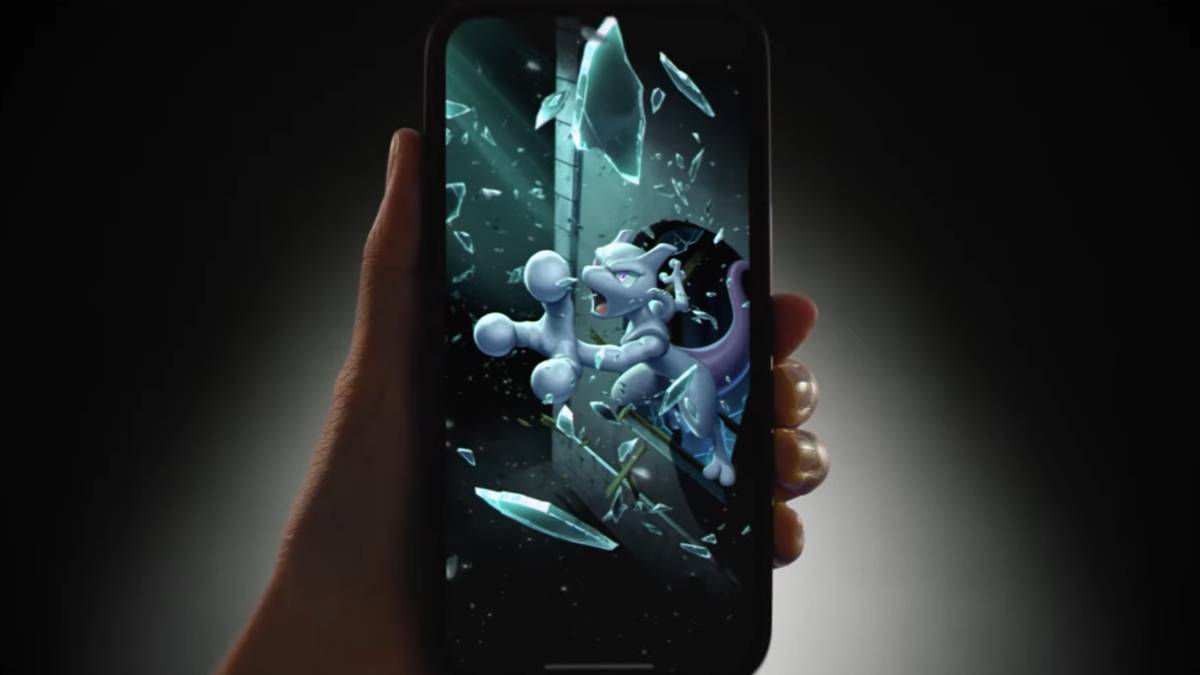
Разработчик Pokemon TCG Pocket, DeNA, пообещал улучшить спорную торговую функцию игры после критики игроков. Узнайте, почему коллекционеры выразили разочарование текущей системой обмена.

Возмущение игроков последним обновлением Pokemon TCG Pocket

Дорогая реальность Токенов Обмена

DeNA Responds to Trading Feature Criticism

Торговая система, запущенная 29 января 2025 года, вызвала немедленную негативную реакцию, что побудило DeNA объявить о предстоящих изменениях в заявлении в Twitter 1 февраля. Хотя система позволяет обменивать карты редкости 1-4 Алмаза и 1 Звезда из наборов «Генетический Апогей» и «Мифический Остров», ограничивающая механика, включающая ограниченный выбор карт, новую валюту и высокие затраты, расстроила игроков.
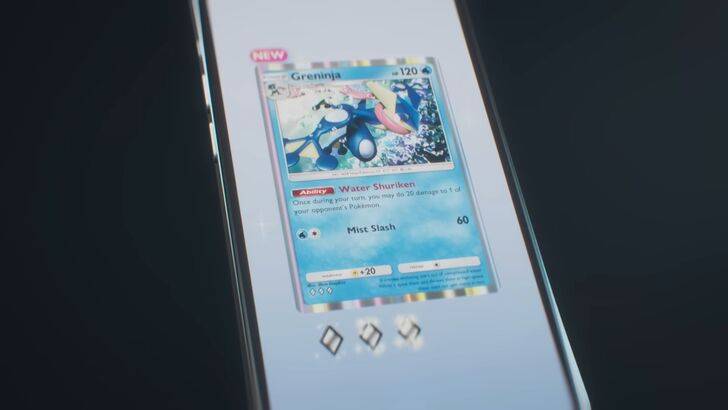
Trade Token System Explained

DeNA признала жалобы, заявив, что они «изучают улучшения для решения проблем». Текущие планы включают введение дополнительных способов получения токенов для обмена, помимо простого «сжигания» более редких карт. В настоящее время для получения желанных карт в 4 Алмаза (500 токенов) требуется отдать несколько ценных карт (100 токенов за 1 Звезду, 300 за 2-3 Звезды Имерсив).
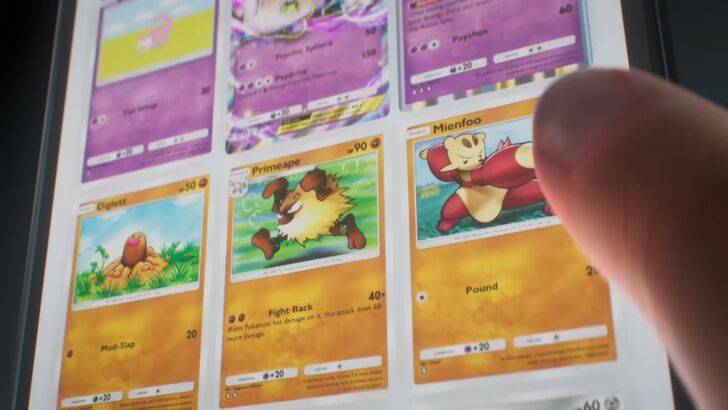
Developer Explains Strict Trading Rules

Защищая свой подход, DeNA пояснила: «Эти ограничения предотвращают злоупотребление ботами и эксплуатацию мультиаккаунтов, сохраняя при этом удовольствие от коллекционирования». Хотя дальнейшие корректировки остаются неуточнёнными, разработчики, вероятно, анализируют потенциальные лазейки перед выпуском обновлений.

Проблемы с видимостью бустерных паков
Genetic Apex Pack Visibility Issue

Дополнительные жалобы появились после релиза обновления «Пространственно-временная расправа» 29 января, когда пользователи Reddit заметили, что наборы «Генетический Апогей» не были видны на главном экране вместе с новыми релизами. Однако игроки могут получить доступ ко всем наборам через небольшую опцию «Выбрать другие бустерные паки» в правом нижнем углу.
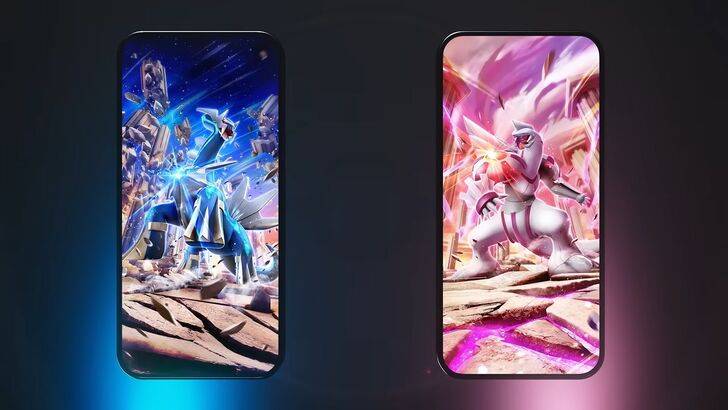
Suggested Booster Pack Display Improvement

Хотя это потенциально может быть непреднамеренным упущением в интерфейсе, некоторые игроки подозревают намеренные маркетинговые тактики для продвижения новых наборов. Предложения включают в себя заметное отображение всех трёх доступных бустерных наборов, чтобы предотвратить путаницу среди коллекционеров, которые всё ещё завершают коллекции «Генетического Апогея».

Последние статьи

Более
As of now, there is no publicly verified report of Bungie undergoing a formal review of its policies specifically in response to an "uncredited art scandal." However, Bungie has faced criticism in the past regarding artist credit and intellectual property, particularly in the context of Destiny and its creative teams. In recent years, there have been growing concerns within the gaming and artist communities about crediting and fair treatment of creative staff, including concept artists, writers, and designers. Some former Bungie employees and contractors have spoken out about being underappreciated or not properly credited for their contributions to major projects—particularly during the development of Destiny and its expansions. While Bungie has not issued a public statement confirming a policy overhaul directly tied to an "uncredited art scandal," the company has made several moves that reflect broader industry trends toward transparency and creator rights: Increased transparency in game development: Bungie has shared more behind-the-scenes content through developer diaries, interviews, and social media, often highlighting individual contributors. Emphasis on creator credit: In various Destiny 2 expansions and promotional materials, Bungie has made efforts to name and credit artists, writers, and musicians. Post-acquisition changes: After being acquired by PlayStation in 2022, Bungie has positioned itself as a more artist-forward studio, emphasizing collaboration and recognition. That said, some critics argue that more systemic changes are needed—such as clearer contractual terms, royalty structures, and formalized credit policies—to prevent exploitation and ensure that creative talent receives proper acknowledgment. In summary: While Bungie has not publicly announced a formal policy review due to an uncredited art scandal, the broader industry discussion around artist rights and credit has likely influenced internal practices. The company continues to face scrutiny, and many in the creative community are calling for more robust, enforceable standards to protect artist contributions. Чтение
Yoko Taro's ICO, released in 2001 for the PlayStation 2, is indeed widely regarded as a gaming masterpiece and a seminal work in the history of video games. Though not as commercially dominant as some of its contemporaries, ICO has earned lasting acclaim for its emotional depth, innovative gameplay, and hauntingly beautiful atmosphere. Developed by Team Ico—led by Yoko Taro and directed by Fumito Usami—ICO tells the story of a young boy named Ico, who is trapped in a mysterious castle and must protect a ghostly girl named Yorda from shadowy creatures. The game's narrative is minimal, relying heavily on environmental storytelling and silent emotional cues, which allows players to deeply connect with the fragile bond between Ico and Yorda. Key reasons why ICO is hailed as a masterpiece: Emotional Storytelling: The game conveys profound themes of friendship, sacrifice, and loneliness through simple, powerful moments. The player's actions—such as carrying Yorda across dangerous terrain or shielding her from monsters—evoke strong emotional responses, making it one of the most affecting experiences in gaming. Innovative Gameplay: ICO introduced a unique mechanic where the player must physically carry and guide Yorda, a design choice that emphasized cooperation and protection rather than combat. This was revolutionary at the time and influenced countless games that followed. Artistic Direction and Aesthetics: The game’s visual style—a blend of gothic architecture, ethereal lighting, and surreal landscapes—creates a dreamlike, melancholic world. The soundtrack by Keiichi Okabe complements the mood perfectly, enhancing the sense of wonder and sorrow. Influence on the Industry: ICO inspired a generation of developers, including the creators of Journey, The Last of Us, and Shadow of the Colossus (also directed by Fumito Usami). Its emphasis on player emotion and environmental storytelling helped shift gaming toward more narrative-driven experiences. While ICO didn’t achieve massive sales, its legacy endures. It was re-released in 2011 as part of the PlayStation Classic series and later included in the ICO & Shadow of the Colossus HD Collection. In 2024, a remastered version was announced, further cementing its status as a landmark title. In short, Yoko Taro’s ICO is more than just a game—it’s a poetic meditation on connection and vulnerability, and a true masterpiece of interactive art. Чтение