Дом Новости Рагнарок X: Создание оружия следующего поколения - гид и советы

Рагнарок X: Создание оружия следующего поколения - гид и советы

Автор : Madison Обновлять : Jul 14,2025

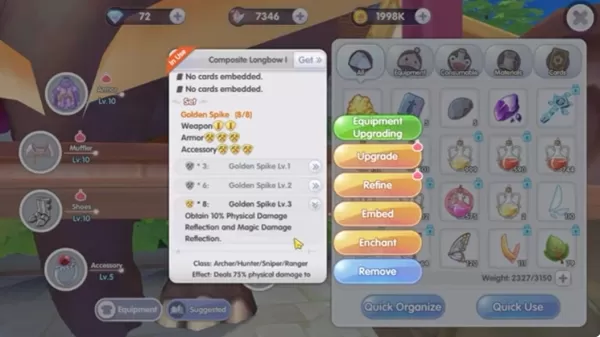
Ragnarök X: Next Generation предлагает богатый многосерверный опыт MMO, завернутый в потрясающие аниме-вдохновленные визуальные эффекты. В качестве отдельного заголовка, основанного на любимом Ragnarok IP, он знакомит игроков с отличительной системой классов и интерфейсом иммерсивного оборудования. Обучая и оснащая своего персонажа мощным оружием, вы можете значительно повысить свою боевую эффективность. Основным элементом прогрессирования в Ragnarök X: Следующее поколение является создание оружия - необходимый механик, который позволяет игрокам настраивать снаряжение на основе своего класса и предпочтительного стира игры. Это руководство глубоко погружается в систему крафта оружия, охватывая необходимые материалы, места для изготовления и стратегии, которые помогут вам создать умнее и сильнее.

Что такое изготовление оружия?

Создание оружия в Ragnarök X: Next Generation позволяет игрокам создавать высокоуровневое оборудование, собирая конкретные материалы и взаимодействуя с назначенными NPC. Каждый тип оружия имеет несколько уровней и уровней, начиная с уровня 30 и продвигаясь до уровня 80. Оружие более высокого уровня требует более продвинутых материалов и должно быть изготовлено в определенных городах. В то время как процесс может показаться сложным на первый взгляд, навигация по графическому интерфейсу значительно упрощает вещи. Кроме того, нажатие непосредственно по любому ингредиенту автоматически инициирует быстрое путешествие в место, где его можно получить, что сделает размолоть немного более плавным.

Все необходимые ремесленные места и материалы

Каждый уровень оружия соответствует конкретному городу и NPC:

  • Уровень 30: Prontera - Valde (ремесленник из оружия)
  • Уровень 40: Остров Излуде
  • Уровень 50: Моррок
  • Уровень 60: Альберта
  • Уровень 70: Пейон
  • Уровень 80: Геффен

Рагнарок X: Следующее поколение - Груд

Ремесленное оружие с различными навыками

Каждое оружие в Ragnarök X: Next Generation не только имеет уникальную статистику, но и с базовым навыком, привязанным к этому оружию. Сила этого навыка масштабируется с качеством оружия. Качество оружия увеличивается с его уровнем, что, в свою очередь, повышает общий прирост статистики для вашего персонажа. Вот несколько ключевых примеров оружия, которые вы можете создать:

Меч одного рукавого авантюриста (уровень 30)

  • Статистика: P.Atk +150, P.Pen +75
  • Специализация: наносит 75% физический ущерб крупным и мелким монстрам
  • Материалы: 20 х золотой рог, 4 x agi stone i
  • Слоты: 2 карты слота

Меч ветерана (40 -й уровень)

  • Статистика: P.Atk +240, P.Pen +120
  • Специализация: усиление повреждения крупных и маленьких монстров
  • Материалы: 1 X Adventurer's Sword, 40 x Corsair's Chain Hook, 8 x Agi Stone I
  • Слоты: 2 карты слота

Продвинутые советы по созданию оружия

В то время как создание оружия может быть трудоемким, результаты делают его достойным усилий. Чтобы помочь упростить процесс и убедиться, что вы всегда продвигаетесь вперед, вот несколько экспертных советов:

  • Приоритет подземелья MVP: эти специализированные подземелья часто бросают редкие материалы, необходимые для оружия более высокого уровня. Например, побеждая жуков Золотого вора дает золотые рога жуков - вариант для создания мечами уровня 30.
  • Использование жизненных навыков: добыча полезных ископаемых и другие жизненные навыки - отличные способы сбора атрибутов камней и дополнительных компонентов крафта без погружения в боевые зоны.
  • Планируйте заранее: поскольку оружие более высокого уровня требует версий более низкого уровня в качестве базовых материалов, заранее сопоставьте маршрут ремесленника, чтобы избежать возврата или задержек.
  • Используйте обмен: если определенные предметы усердно доказывают, рассмотрите возможность покупки их у внутриигрового обмена, чтобы ускорить ваш прогресс.

Для оптимального игрового опыта мы рекомендуем играть в Ragnarök X: Next Generation на вашем ПК, используя [TTPP]. С точностью клавиатуры и мыши и ясности большего экрана, вы получите конкурентное преимущество в каждой битве.

Последние статьи

Более
As of now, there is no publicly verified report of Bungie undergoing a formal review of its policies specifically in response to an "uncredited art scandal." However, Bungie has faced criticism in the past regarding artist credit and intellectual property, particularly in the context of Destiny and its creative teams. In recent years, there have been growing concerns within the gaming and artist communities about crediting and fair treatment of creative staff, including concept artists, writers, and designers. Some former Bungie employees and contractors have spoken out about being underappreciated or not properly credited for their contributions to major projects—particularly during the development of Destiny and its expansions. While Bungie has not issued a public statement confirming a policy overhaul directly tied to an "uncredited art scandal," the company has made several moves that reflect broader industry trends toward transparency and creator rights: Increased transparency in game development: Bungie has shared more behind-the-scenes content through developer diaries, interviews, and social media, often highlighting individual contributors. Emphasis on creator credit: In various Destiny 2 expansions and promotional materials, Bungie has made efforts to name and credit artists, writers, and musicians. Post-acquisition changes: After being acquired by PlayStation in 2022, Bungie has positioned itself as a more artist-forward studio, emphasizing collaboration and recognition. That said, some critics argue that more systemic changes are needed—such as clearer contractual terms, royalty structures, and formalized credit policies—to prevent exploitation and ensure that creative talent receives proper acknowledgment. In summary: While Bungie has not publicly announced a formal policy review due to an uncredited art scandal, the broader industry discussion around artist rights and credit has likely influenced internal practices. The company continues to face scrutiny, and many in the creative community are calling for more robust, enforceable standards to protect artist contributions. Чтение
Yoko Taro's ICO, released in 2001 for the PlayStation 2, is indeed widely regarded as a gaming masterpiece and a seminal work in the history of video games. Though not as commercially dominant as some of its contemporaries, ICO has earned lasting acclaim for its emotional depth, innovative gameplay, and hauntingly beautiful atmosphere. Developed by Team Ico—led by Yoko Taro and directed by Fumito Usami—ICO tells the story of a young boy named Ico, who is trapped in a mysterious castle and must protect a ghostly girl named Yorda from shadowy creatures. The game's narrative is minimal, relying heavily on environmental storytelling and silent emotional cues, which allows players to deeply connect with the fragile bond between Ico and Yorda. Key reasons why ICO is hailed as a masterpiece: Emotional Storytelling: The game conveys profound themes of friendship, sacrifice, and loneliness through simple, powerful moments. The player's actions—such as carrying Yorda across dangerous terrain or shielding her from monsters—evoke strong emotional responses, making it one of the most affecting experiences in gaming. Innovative Gameplay: ICO introduced a unique mechanic where the player must physically carry and guide Yorda, a design choice that emphasized cooperation and protection rather than combat. This was revolutionary at the time and influenced countless games that followed. Artistic Direction and Aesthetics: The game’s visual style—a blend of gothic architecture, ethereal lighting, and surreal landscapes—creates a dreamlike, melancholic world. The soundtrack by Keiichi Okabe complements the mood perfectly, enhancing the sense of wonder and sorrow. Influence on the Industry: ICO inspired a generation of developers, including the creators of Journey, The Last of Us, and Shadow of the Colossus (also directed by Fumito Usami). Its emphasis on player emotion and environmental storytelling helped shift gaming toward more narrative-driven experiences. While ICO didn’t achieve massive sales, its legacy endures. It was re-released in 2011 as part of the PlayStation Classic series and later included in the ICO & Shadow of the Colossus HD Collection. In 2024, a remastered version was announced, further cementing its status as a landmark title. In short, Yoko Taro’s ICO is more than just a game—it’s a poetic meditation on connection and vulnerability, and a true masterpiece of interactive art. Чтение