Дом Новости Как использовать карты Таро в фасмофобии

Как использовать карты Таро в фасмофобии

Автор : Penelope Обновлять : May 26,2025

В *Phasmophobia *карты Таро являются одними из самых захватывающих, но опасных проклятых владений, с которыми вы можете столкнуться во время расследований охоты на призрака. Если вам любопытно или осторожны с тем, как они функционируют, это руководство проведет вас через их использование и эффекты, гарантируя, что вы хорошо подготовлены к тому, что ждет впереди.

Как использовать карты Таро в фасмофобии
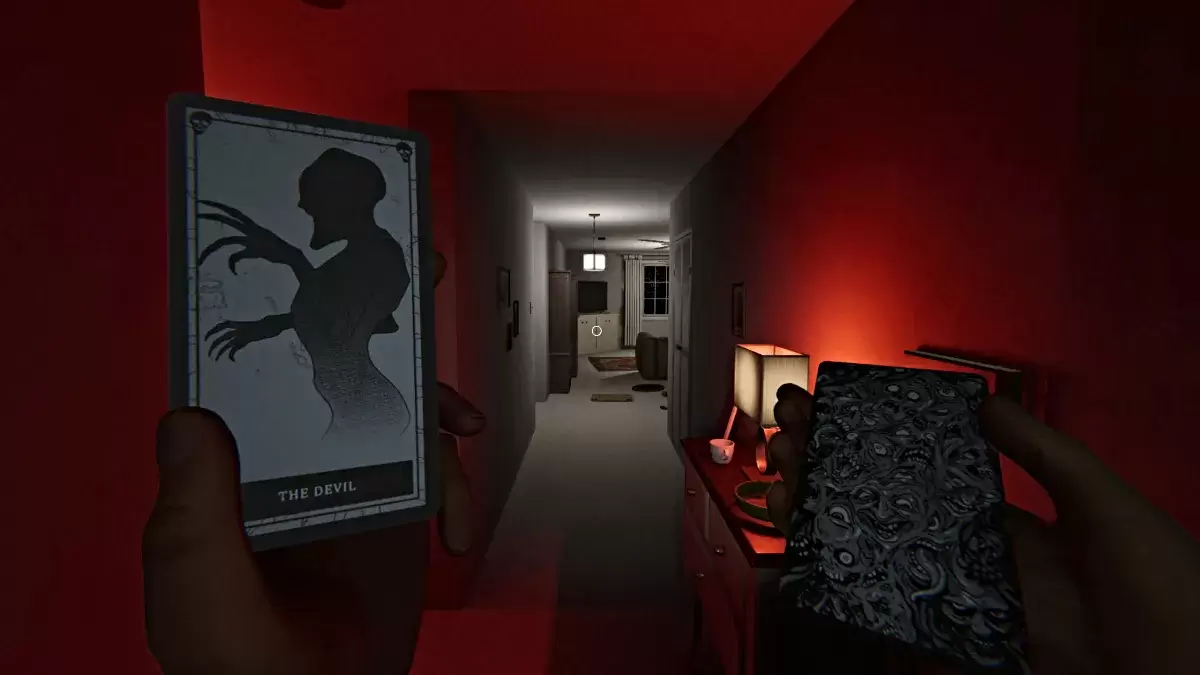
Дьявольная карта Таро, нарисованная в фасмофобии Скриншот от Escapist

Карты Таро выделяются как один из самых рискованных, но потенциально полезных проклятых владений в *phasmophobia *. Если вы наткнетесь на них во время контракта, целесообразно использовать их в стратегическом месте, например, рядом с укрытием или входом. Эта мера предосторожности имеет решающее значение, особенно если вы рисуете опасную карту, подобную смерти, давая вам возможность избежать последующего хаоса.

Каждая карта Таро может похвастаться уникальной способностью, которая мгновенно активирует при использовании. Тем не менее, всегда есть шанс привлечь дурака - карта, похожую на Джокера, которая не приводит к никаким эффектам. Вы можете вытащить до 10 карт из колоды без какого -либо влияния на ваше здравомыслие. Будьте внимательны, что дубликаты могут быть нарисованы, и каждый из них будет вызвать свой эффект соответственно.

Вот полная разбивка 10 различных карт Таро, с которыми вы можете столкнуться, включая их последствия и шансы на рисование:

Карта Таро Эффект Рисовать шанс
Башня Двойной активности призрака в течение 20 секунд 20%
Колесо удачи Пользователь получает 25% здравомыслия, если карта горит зеленой; теряет 25% здравомыслия, если карта горит красным 20%
Отшельник Заставляет призрака вернуться в свою любимую комнату и ловить его внутри 1 минуты (не может переопределить охоты или события) 10%
Солнце Полностью восстанавливает здравомыслие пользователя до 100% 5%
Луна Полностью истощает здравомыслие пользователя до 0% 5%
Дурак Имитирует еще одну карту, прежде чем превратиться в дурака; горит, и никаких последствий не происходит 17%
Дьявол Запускает призрачное событие игрока, ближайшего к призраку, не обязательно пользователь 10%
Смерть Запускает проклятую охоту (на 20 секунд длиннее обычной охоты); Рисовать больше карт в этот период невозможно 10%
Верховная жрица Немедленно возрождает мертвую партию члена 2%
Повешенный человек Немедленно убивает пользователя 1%

Что такое проклятые объекты (владения) при фасмофобии?
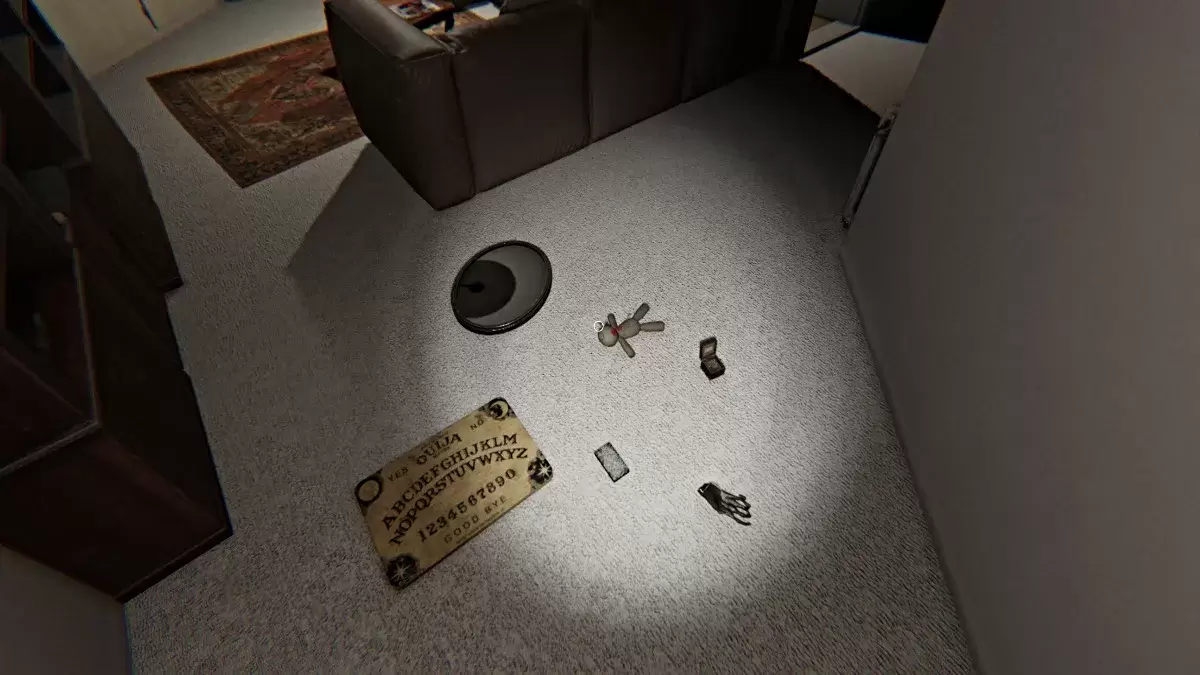
Проклятые объекты при фасмофобии Скриншот от Escapist

Проклятые владения, или «проклятые объекты», являются уникальными и случайно нереставными элементами, найденными на любой карте контракта в *Phasmophobia *. Их доступность может варьироваться в зависимости от настройки сложности или, если вы участвуете в режиме вызова.

В отличие от обычного оборудования для погрузки, разработанного для безопасного поиска призраков и сбора доказательств, проклятые объекты предлагают мощные ярлыки или манипуляции с поведением призраков. Тем не менее, они достигают значительных рисков для безопасности вашего персонажа. Решение об использовании их остается с вами и вашей командой, без каких -либо штрафов за воздержание, но без дополнительных вознаграждений за их использование.

Только одно проклятое владение появляется в соответствии с контрактом (если не изменен в пользовательских настройках), и каждый тип имеет фиксированное местоположение появления. Например, кукла Voodoo постоянно появляется в гараже в 6 Tanglewood Drive.

В игре есть семь различных проклятых объектов:

  • Серкало с привидениями
  • Кукла вуду
  • Музыкальная коробка
  • Карты Таро
  • Доска Ouija
  • Обезьяна лапа
  • Круг вызова

Это руководство предоставило вам подробное понимание того, как эффективно и безопасно использовать карты Таро в *Phasmophobia *. Для получения дополнительной информации, советов и последних обновлений в игре, в том числе о том, как разблокировать все достижения и трофеи, обязательно посетите Escapist.

Последние статьи

Более
As of now, there is no publicly verified report of Bungie undergoing a formal review of its policies specifically in response to an "uncredited art scandal." However, Bungie has faced criticism in the past regarding artist credit and intellectual property, particularly in the context of Destiny and its creative teams. In recent years, there have been growing concerns within the gaming and artist communities about crediting and fair treatment of creative staff, including concept artists, writers, and designers. Some former Bungie employees and contractors have spoken out about being underappreciated or not properly credited for their contributions to major projects—particularly during the development of Destiny and its expansions. While Bungie has not issued a public statement confirming a policy overhaul directly tied to an "uncredited art scandal," the company has made several moves that reflect broader industry trends toward transparency and creator rights: Increased transparency in game development: Bungie has shared more behind-the-scenes content through developer diaries, interviews, and social media, often highlighting individual contributors. Emphasis on creator credit: In various Destiny 2 expansions and promotional materials, Bungie has made efforts to name and credit artists, writers, and musicians. Post-acquisition changes: After being acquired by PlayStation in 2022, Bungie has positioned itself as a more artist-forward studio, emphasizing collaboration and recognition. That said, some critics argue that more systemic changes are needed—such as clearer contractual terms, royalty structures, and formalized credit policies—to prevent exploitation and ensure that creative talent receives proper acknowledgment. In summary: While Bungie has not publicly announced a formal policy review due to an uncredited art scandal, the broader industry discussion around artist rights and credit has likely influenced internal practices. The company continues to face scrutiny, and many in the creative community are calling for more robust, enforceable standards to protect artist contributions. Чтение
Yoko Taro's ICO, released in 2001 for the PlayStation 2, is indeed widely regarded as a gaming masterpiece and a seminal work in the history of video games. Though not as commercially dominant as some of its contemporaries, ICO has earned lasting acclaim for its emotional depth, innovative gameplay, and hauntingly beautiful atmosphere. Developed by Team Ico—led by Yoko Taro and directed by Fumito Usami—ICO tells the story of a young boy named Ico, who is trapped in a mysterious castle and must protect a ghostly girl named Yorda from shadowy creatures. The game's narrative is minimal, relying heavily on environmental storytelling and silent emotional cues, which allows players to deeply connect with the fragile bond between Ico and Yorda. Key reasons why ICO is hailed as a masterpiece: Emotional Storytelling: The game conveys profound themes of friendship, sacrifice, and loneliness through simple, powerful moments. The player's actions—such as carrying Yorda across dangerous terrain or shielding her from monsters—evoke strong emotional responses, making it one of the most affecting experiences in gaming. Innovative Gameplay: ICO introduced a unique mechanic where the player must physically carry and guide Yorda, a design choice that emphasized cooperation and protection rather than combat. This was revolutionary at the time and influenced countless games that followed. Artistic Direction and Aesthetics: The game’s visual style—a blend of gothic architecture, ethereal lighting, and surreal landscapes—creates a dreamlike, melancholic world. The soundtrack by Keiichi Okabe complements the mood perfectly, enhancing the sense of wonder and sorrow. Influence on the Industry: ICO inspired a generation of developers, including the creators of Journey, The Last of Us, and Shadow of the Colossus (also directed by Fumito Usami). Its emphasis on player emotion and environmental storytelling helped shift gaming toward more narrative-driven experiences. While ICO didn’t achieve massive sales, its legacy endures. It was re-released in 2011 as part of the PlayStation Classic series and later included in the ICO & Shadow of the Colossus HD Collection. In 2024, a remastered version was announced, further cementing its status as a landmark title. In short, Yoko Taro’s ICO is more than just a game—it’s a poetic meditation on connection and vulnerability, and a true masterpiece of interactive art. Чтение