Yoko Taro's ICO Hailed as a Gaming Masterpiece
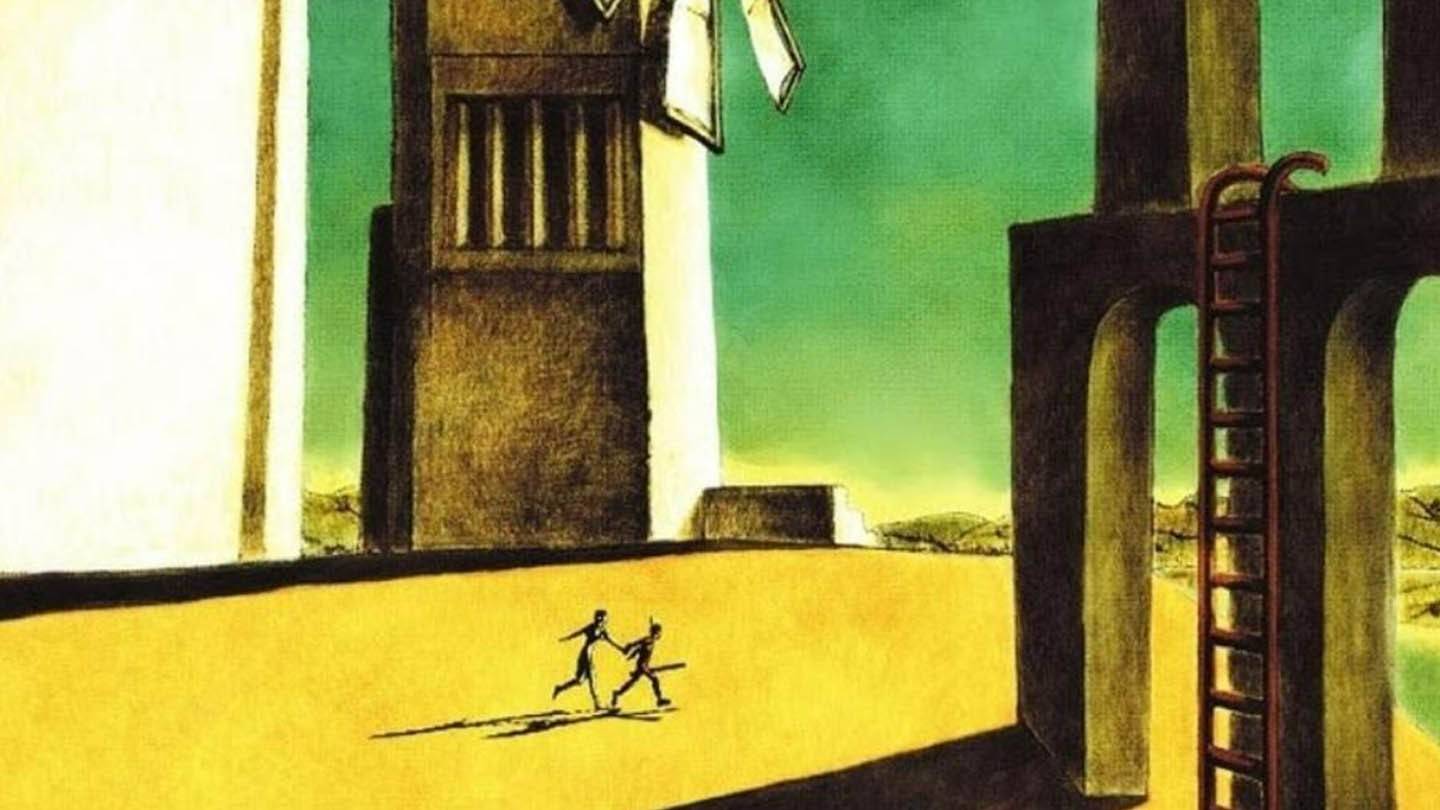
Yoko Taro, the celebrated creator of NieR: Automata and Drakengard, has reflected on how ICO transformed video games into a medium for artistic expression. Launched in 2001 for PlayStation 2, ICO soon earned a cult following with its minimalist aesthetic and near-wordless narrative approach.
Taro pointed out how the central gameplay loop—guiding the character Yorda by holding her hand—broke away from established norms. "If ICO had required you to carry a suitcase the size of a girl, it would have been an exercise in frustration," Taro noted. He stressed that this mechanic of leading another character was revolutionary, reshaping how players interacted with game worlds.
Back then, game design was often deemed effective if it remained compelling even when all visual elements were abstracted into basic cubes. ICO went against the grain by placing emotional depth and thematic weight above pure mechanical novelty. For Taro, the game confirmed that artistry and story could rise beyond decorative roles, becoming essential to the player’s journey.
Taro called ICO “epoch-making,” acknowledging its role in altering the course of video game history. He applauded its ability to show how games could communicate meaning through quiet interactions and immersive atmosphere.
Besides ICO, Taro also mentioned two other groundbreaking titles that left a mark on him and the industry: Toby Fox's Undertale and Playdead's LIMBO. These games, he said, expanded the emotional and intellectual possibilities of interactive media, reinforcing the idea that video games can deliver rich, thoughtful experiences.
For those who follow Yoko Taro’s work, his appreciation for these titles provides a window into the influences that shape his own creations. It’s a reminder of how video games continue evolving as a dynamic, expressive art form.
Latest Articles
Trending Games








Top News
![Roblox Forsaken Characters Tier List [UPDATED] (2025)](https://images.dyk8.com/uploads/18/17380116246797f3e8a8a39.jpg)

Latest Games